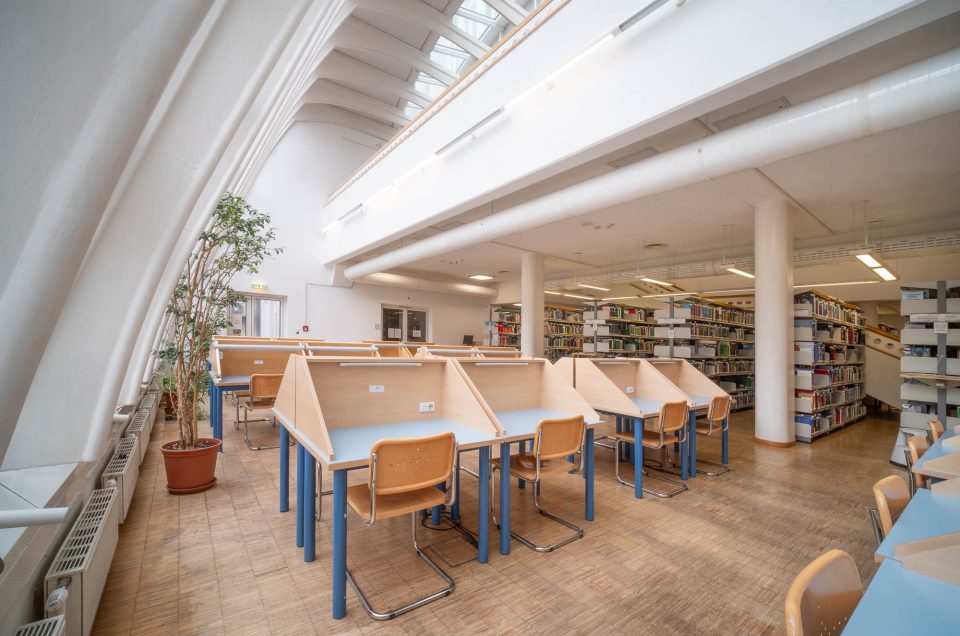
The Intronati library in Siena combines a rare book research collection and a public library in a fascinating building that sits at the heart of the Tuscan city’s history. In the 13th and 14th centuries, this was the Domus Misericordiae, a hospice for the poor, sick and orphaned. The plague of 1348 touched the city severely and reduced its ability to care for the needy, and the hospice floundered. In 1408, Pope Gregory XII converted what was remaining of it into a Domus Sapientiae, house of science and wisdom and the seed of what would eventually become the university of Siena.
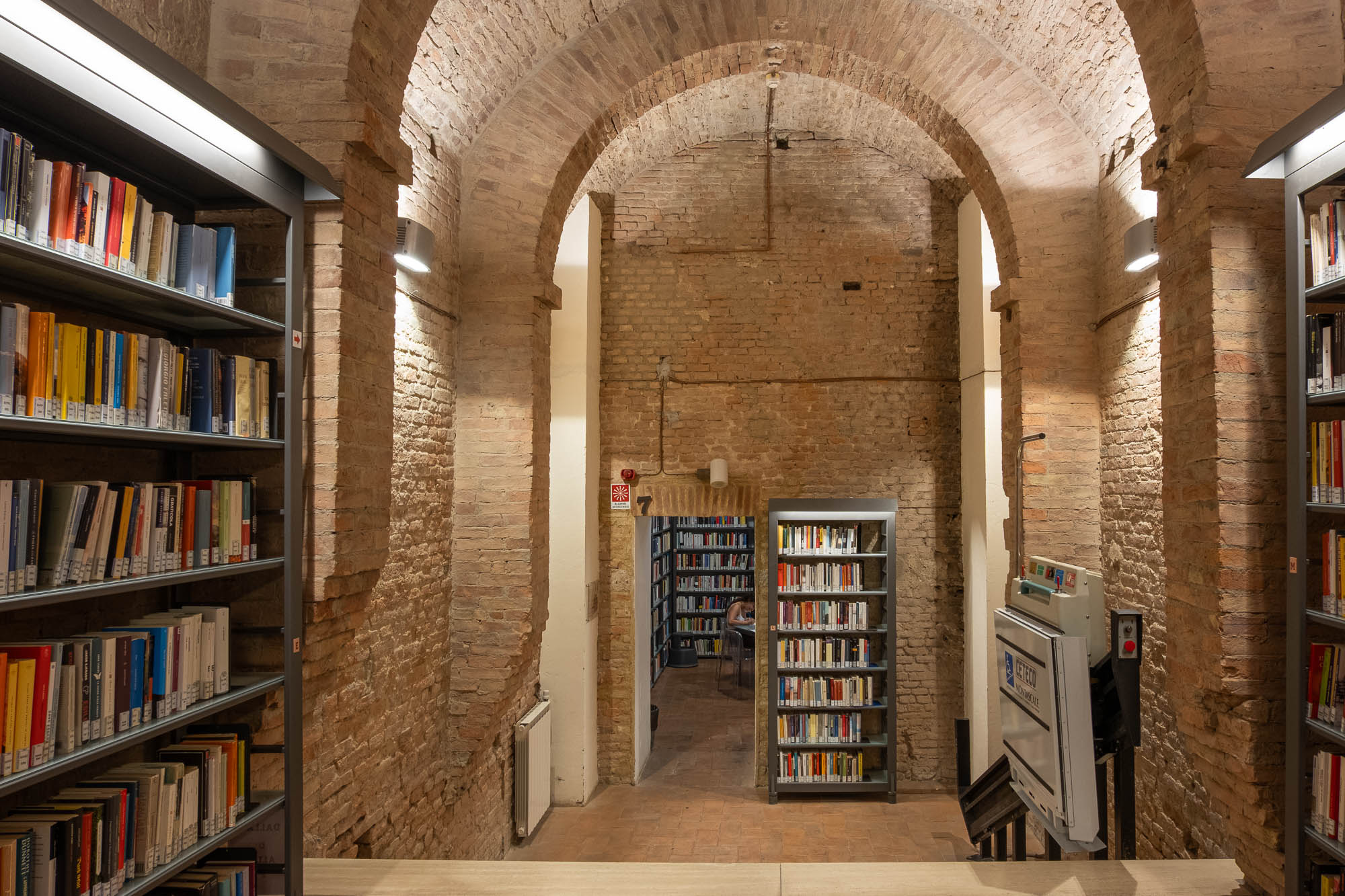
Donations from wealthy students and Church officials contributed to the development of the Domus Sapientiae. Its rooms were updated over the years by the likes of Florentine architect Giuliano da Sangallo and Sienese Francesco di Giorgio, although details of their individual contributions have been lost by history. Rather than a single institution, the complex at first welcomed separate academies, like the Accademia dei Fisiocritici starting in 1694 and Accademia degli Intronati from 1525, who built the Scuola grande and its monumental door, which are today used as a conference room.
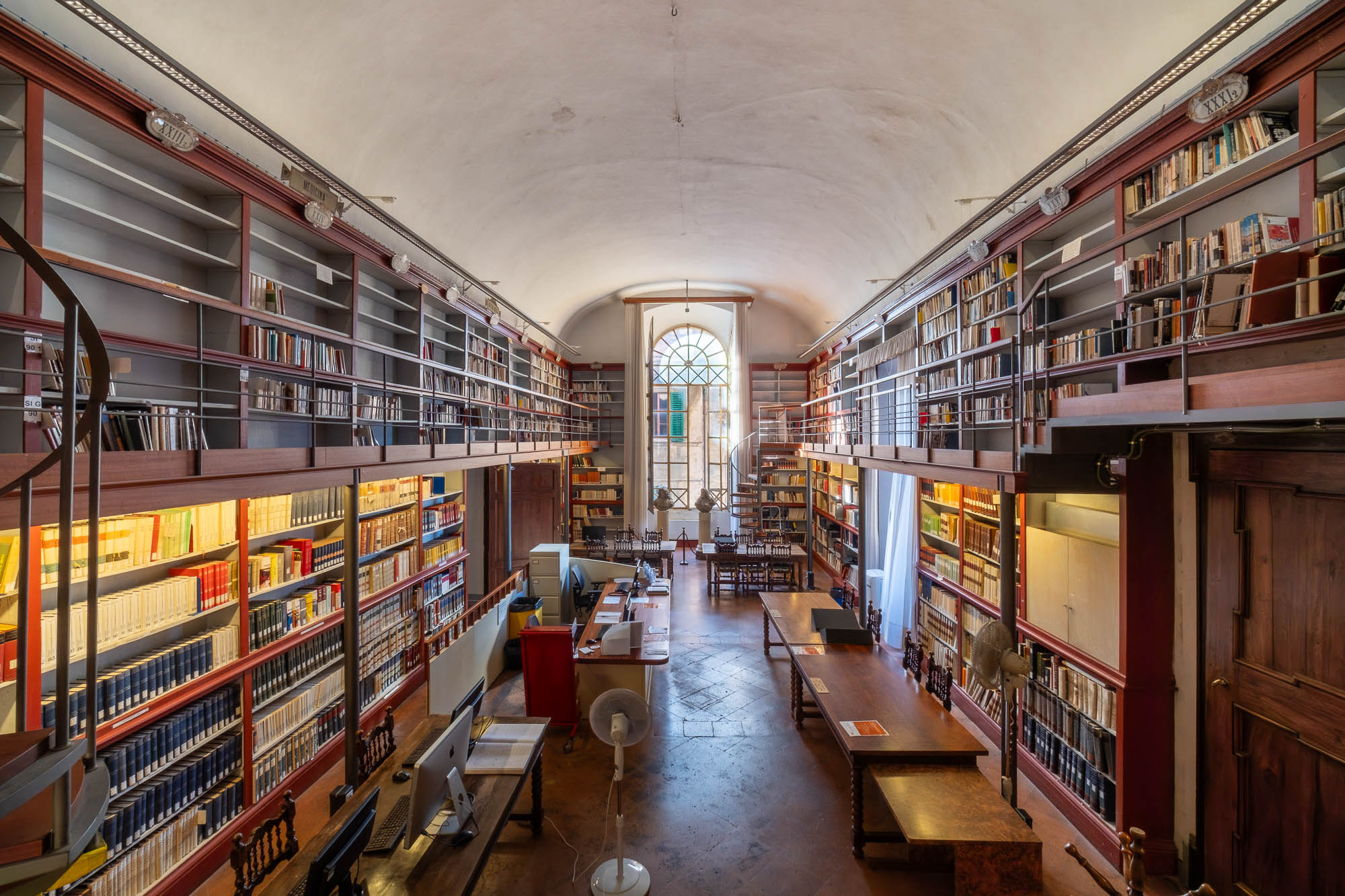
In 1758, Archdeacon Sallustio Bandini donated his personal library, which formed the foundation of the university library. The latter was entrusted to Bandini’s secretary Giuseppe Ciaccheri, who expanded it significantly. The violent earthquake of 1798 followed by the French occupation in 1802 caused the decline of the university and its library. The university and its academies gradually moved to better locations in the vacated Jesuit college and former convents, replaced by the academy of fine arts. The collections that did not move with the university were converted into a public library, renamed “Intronati” in 1932 to commemorate the institution that oversaw its founding. In 1996, it was officially transferred to the municipality of Siena.
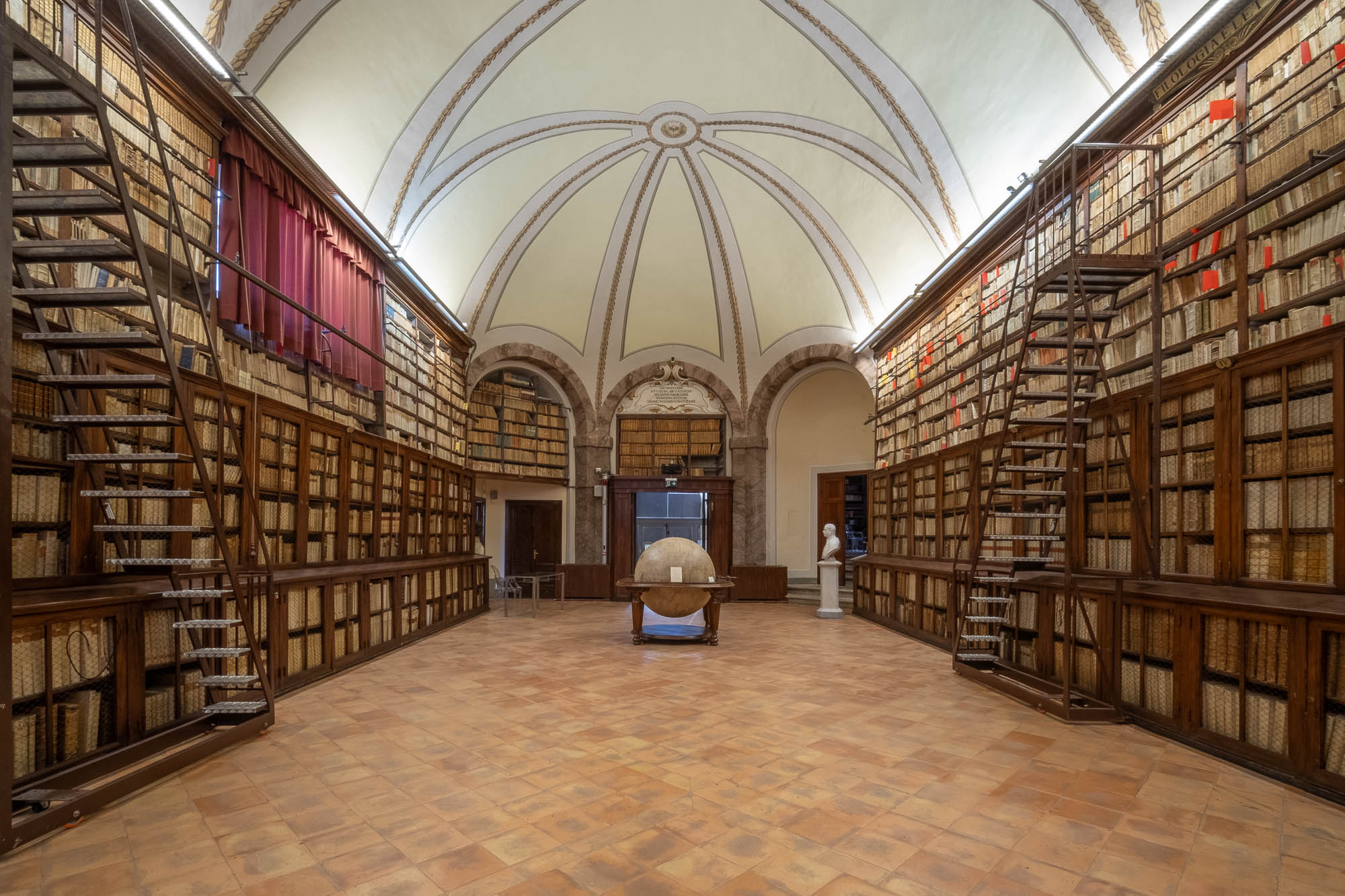
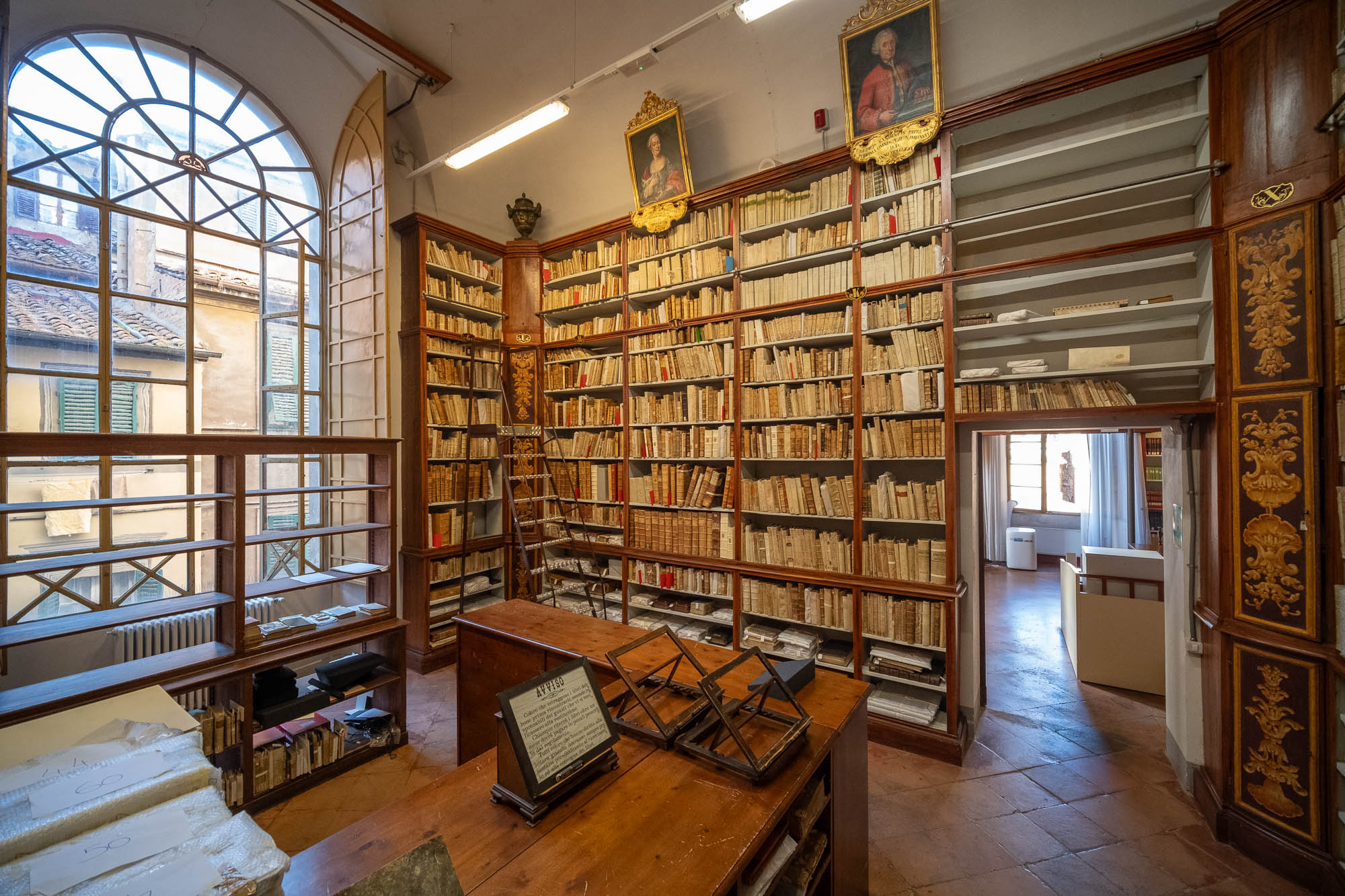
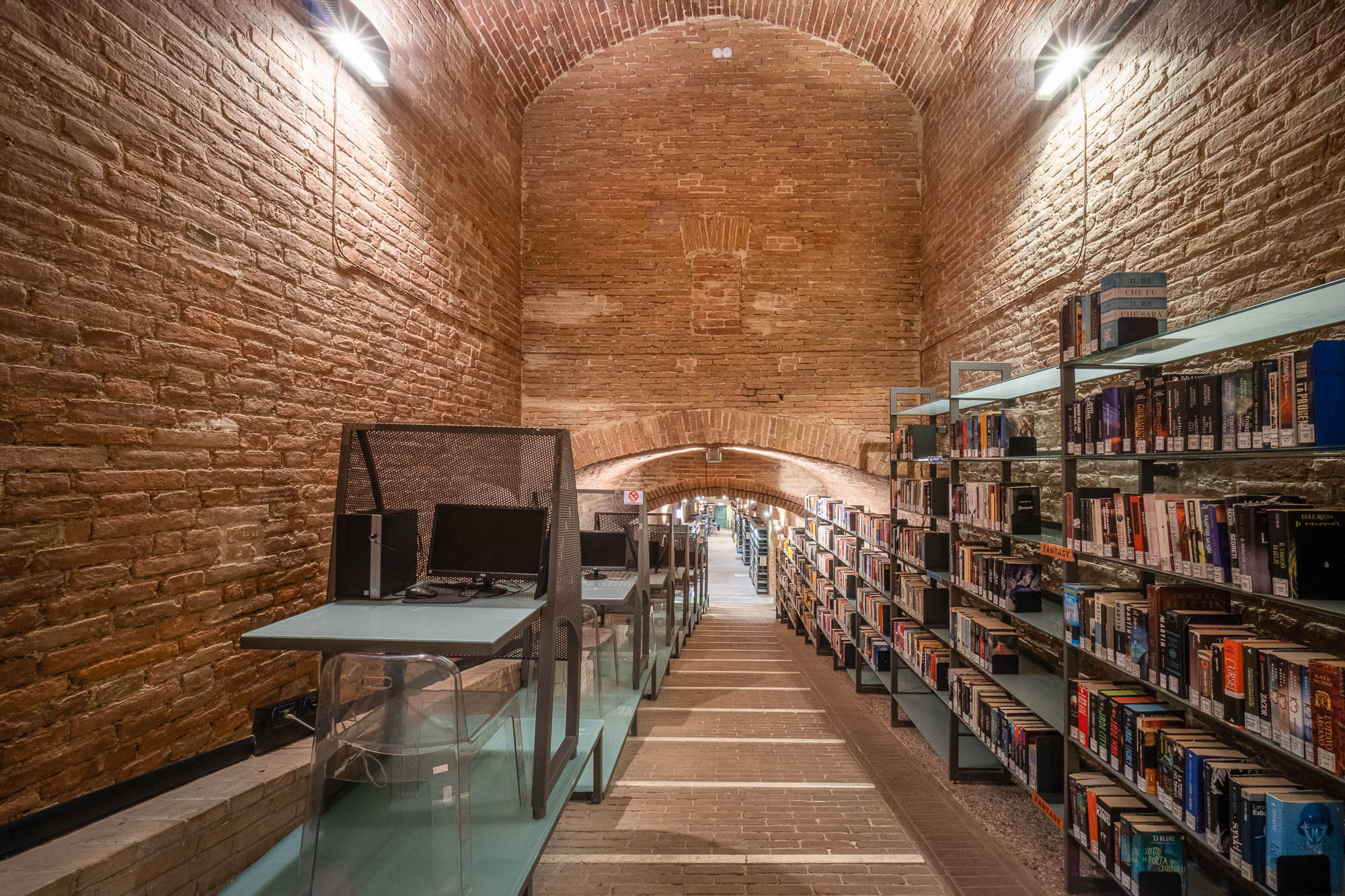
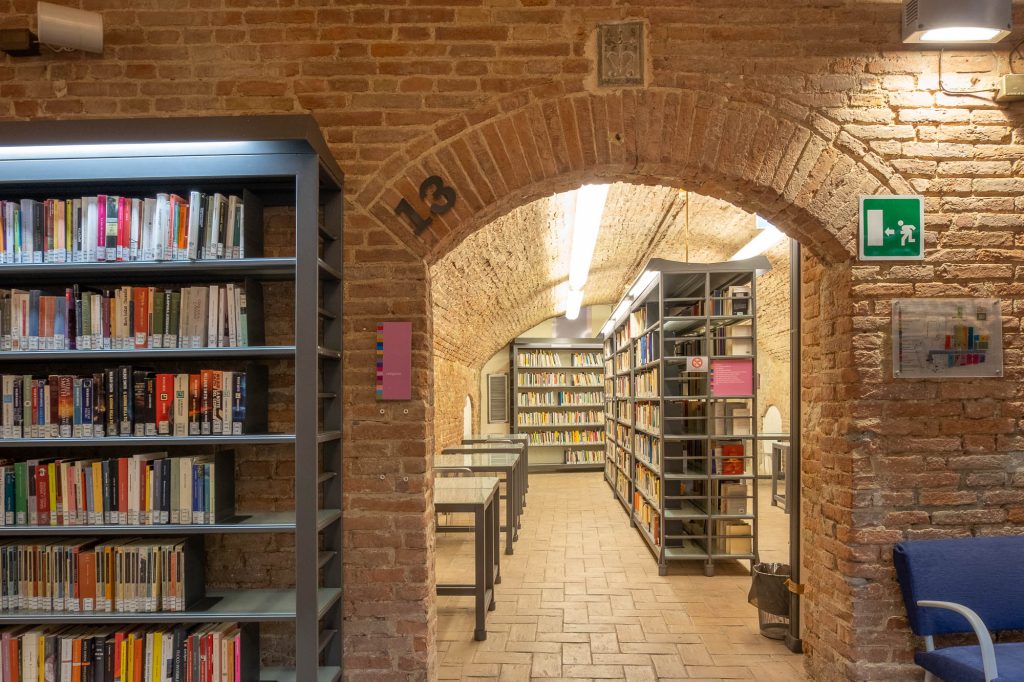
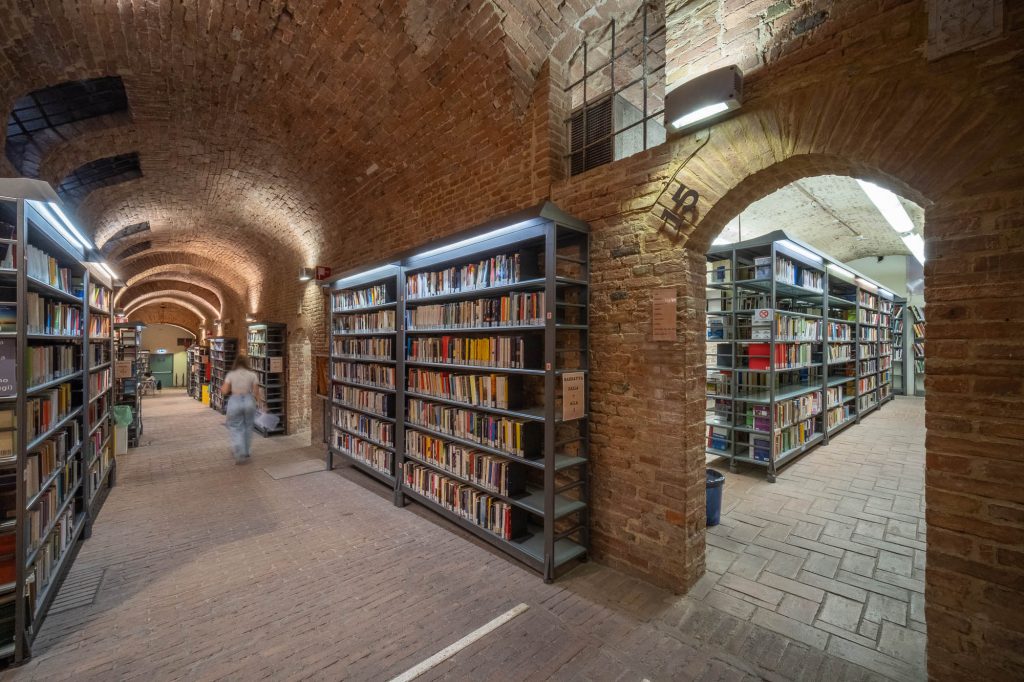
Between 1999 and 2011, the underground vaults of the complex were adapted into a library for the public, with modern amenities and general collections of books and periodicals and a children’s room. The historic library rooms retained custody of the rare book and manuscript collections and now serve as study rooms for researchers.
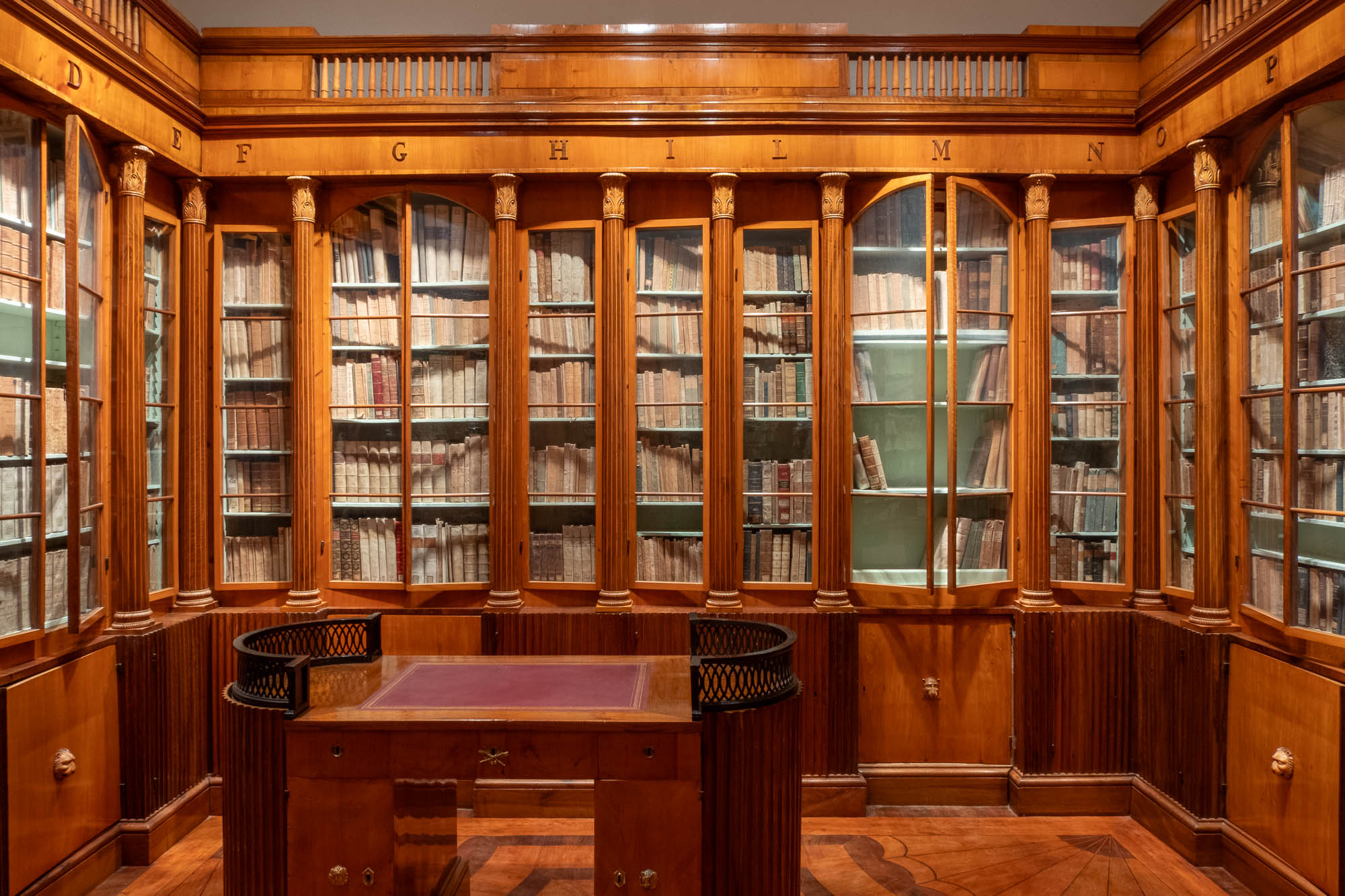
Since 2021, the library is also the depository of the personal library of Sienese nobleman Giulio del Taja and its furniture, designed in 1824-25 by architect Agostino Fantastici, on loan from the Monte dei Paschi di Siena Foundation.
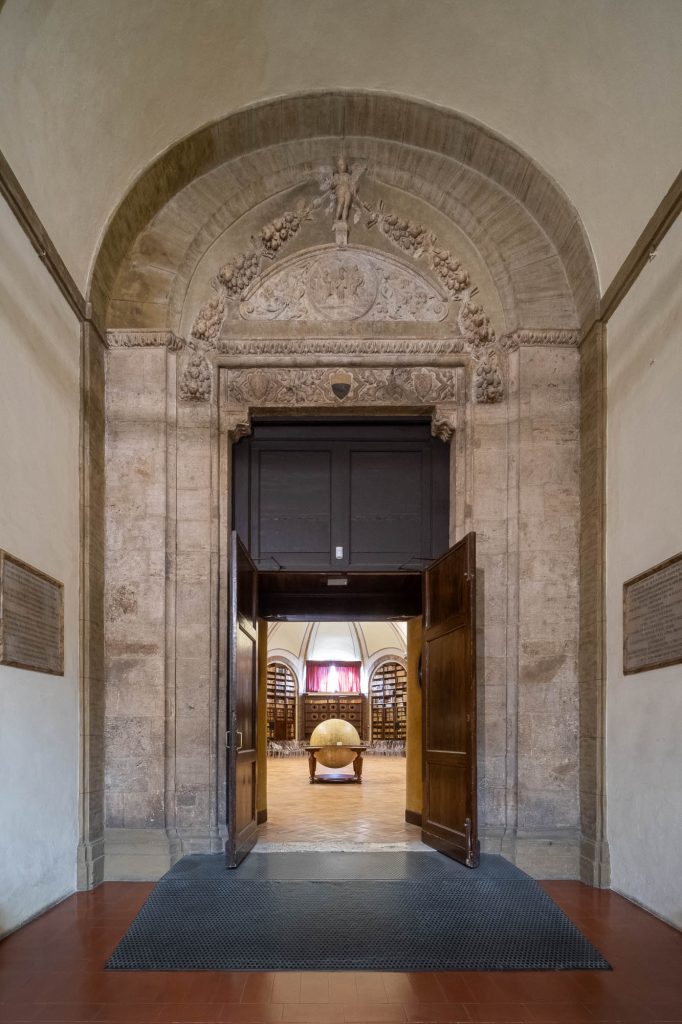
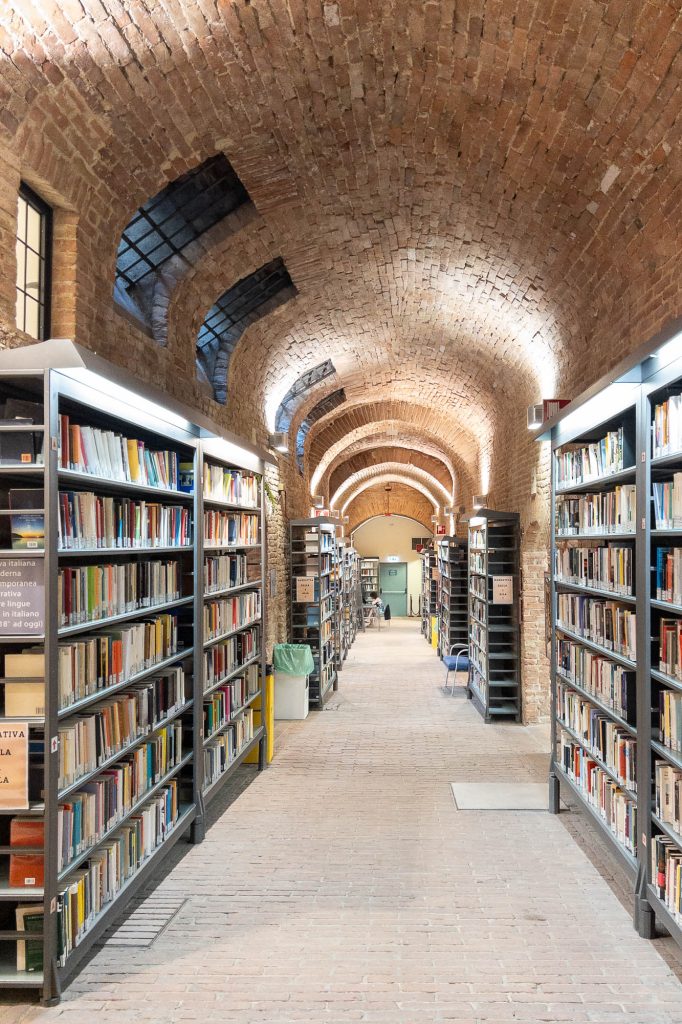
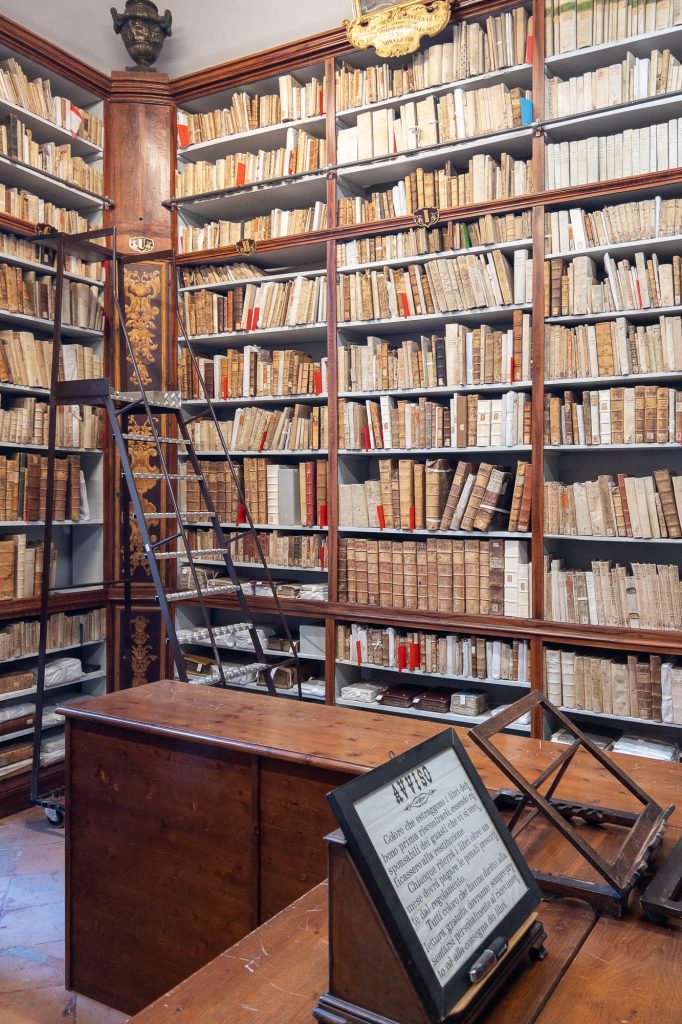
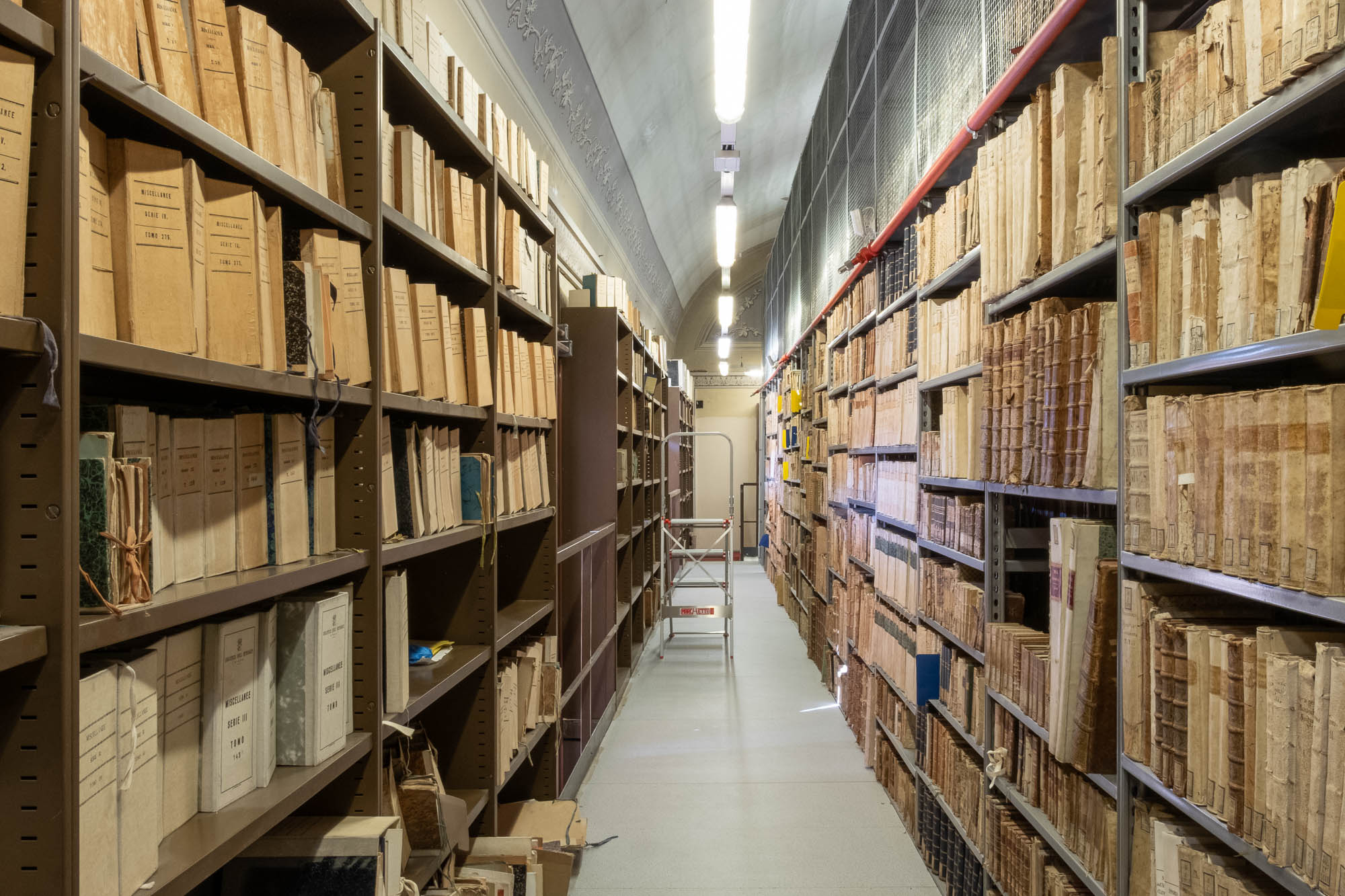
The images shown here date from my visit in September 2025. I’m very grateful to the Intronati library staff for their gracious welcome!
References
Content note
You might also like