In 1843, a controversy surrounding the right of the state to control clerical positions led to the Great Disruption, a schism that saw 450 ministers break away from the Church of Scotland. Several Canadian ministers and their congregations switched their affiliation to the newly formed Free Church of Scotland. However, the Presbyterian seminary of Queen’s College in Kingston, Ontario, decided to remain within the Church of Scotland, which prompted some of its students to defect and establish a new seminary. Founded in 1844 in Toronto, the Free Church seminary was named after Scottish Reformation theologian John Knox. In 1855, Knox College became affiliated with the University of Toronto.
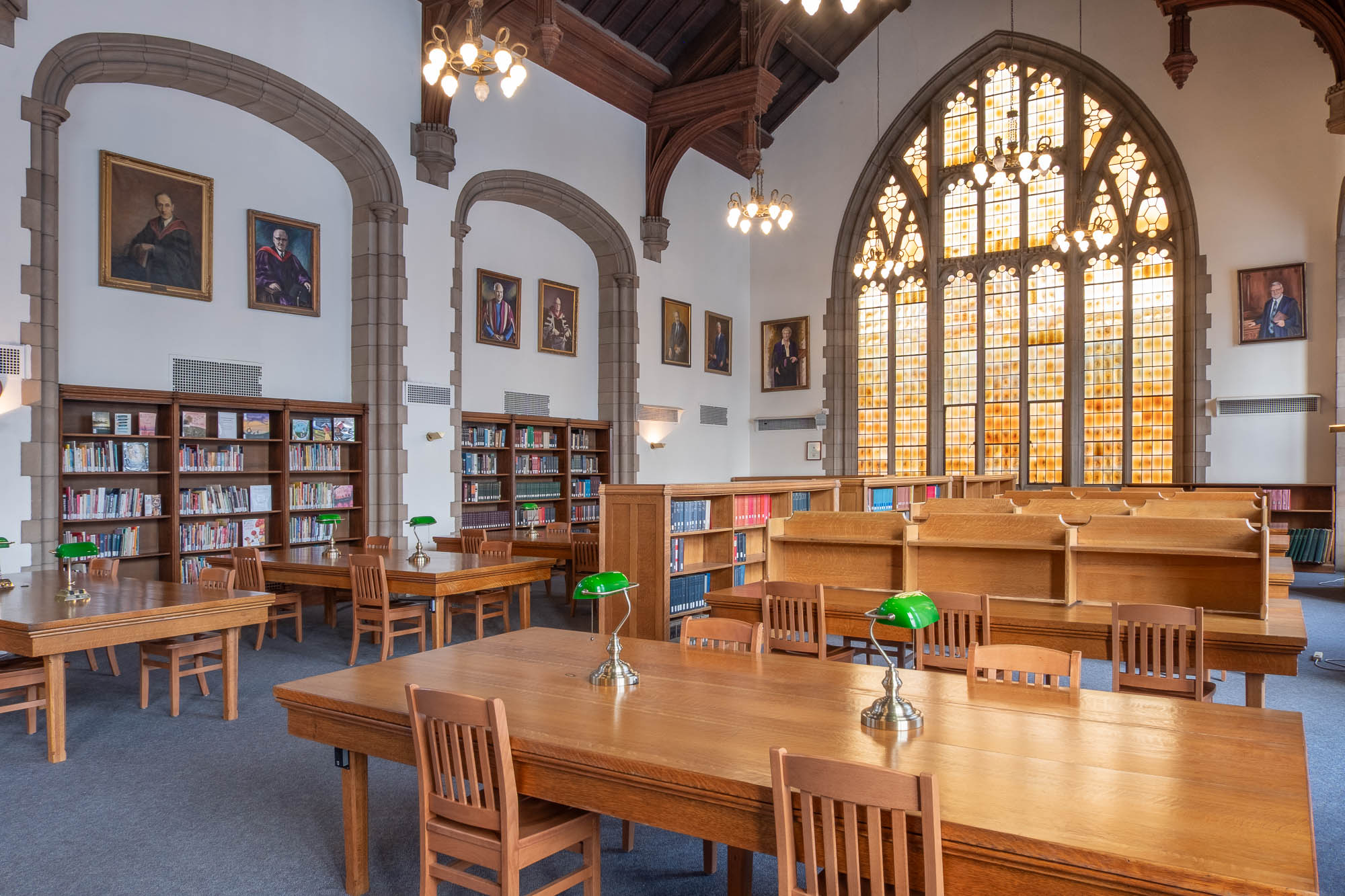
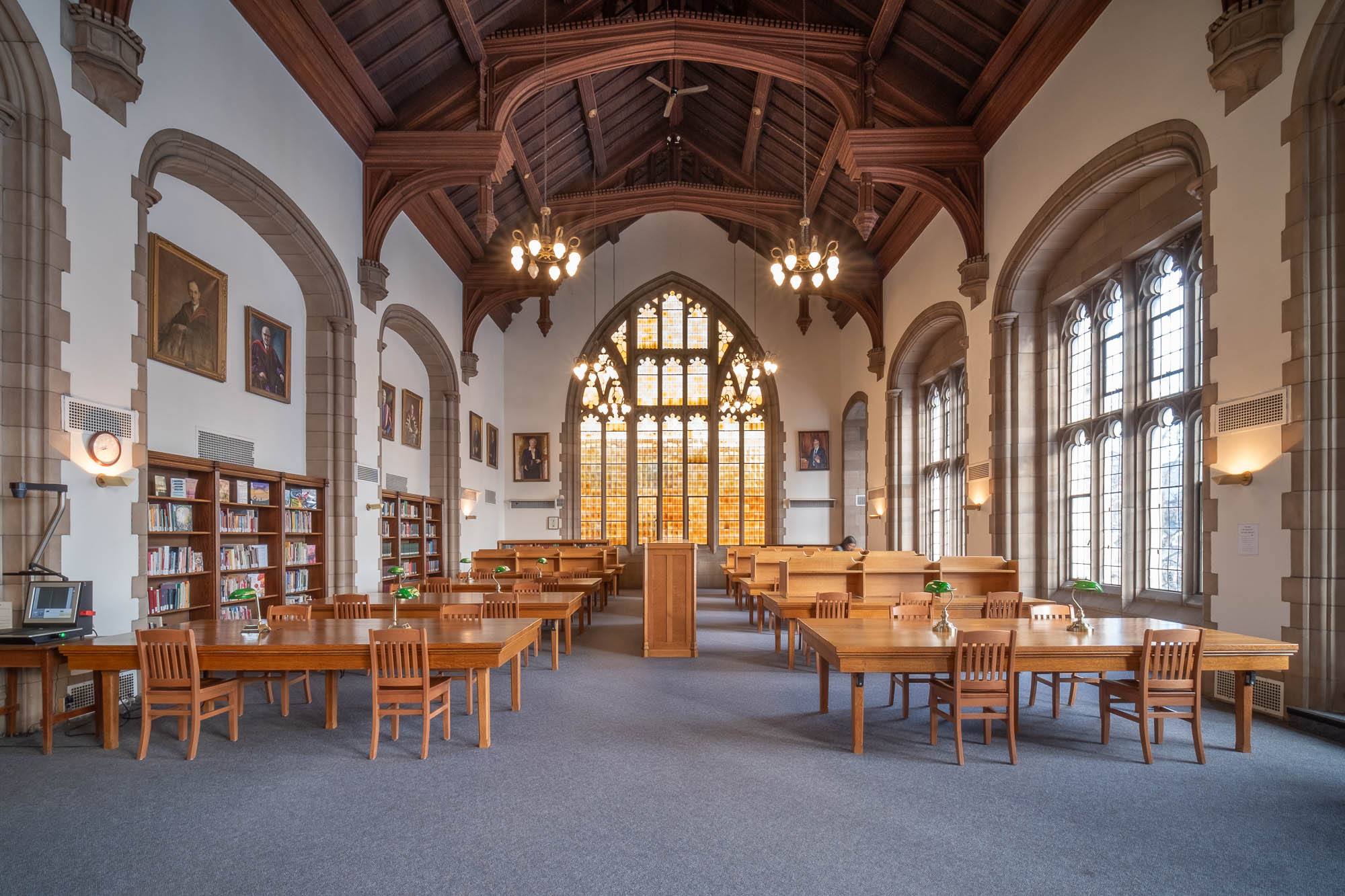
The current Knox College building was completed in 1915. Considered one of the finest examples of Collegiate Gothic in North America, it was the work of Alfred Hirschfelder Chapman and Robert Balmer McGiffin (Chapman & McGiffin). Immediately to the right of the main college entrance, a flight of steps leads to the library, named after the second principal of Knox College, William Caven. With its tall Gothic windows and hammer beam roof, the architecture of the main reading room is truly striking.
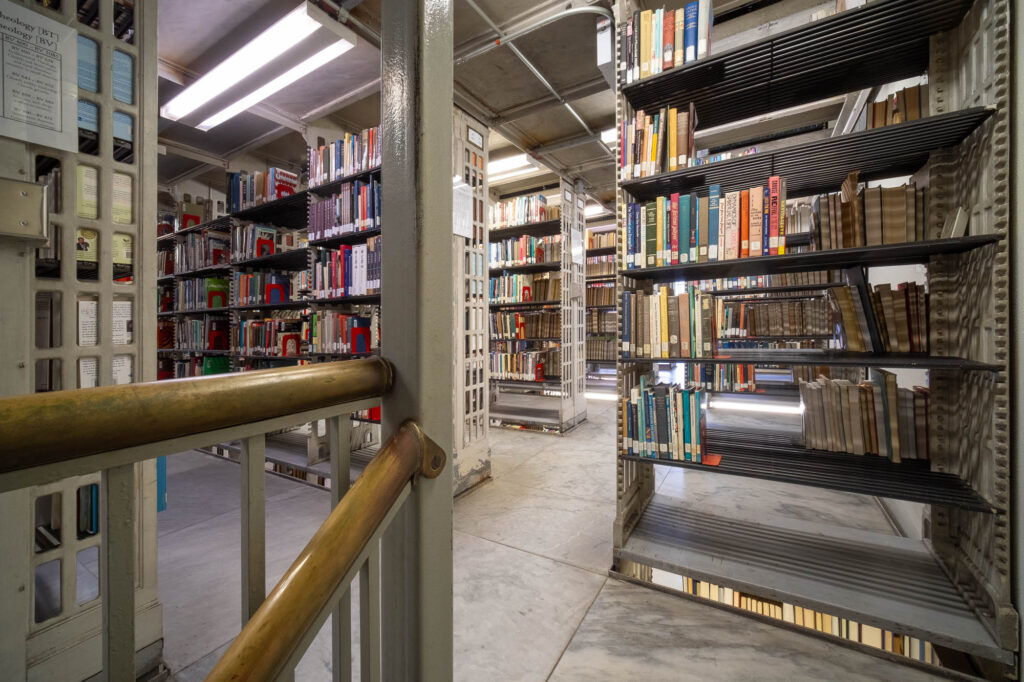
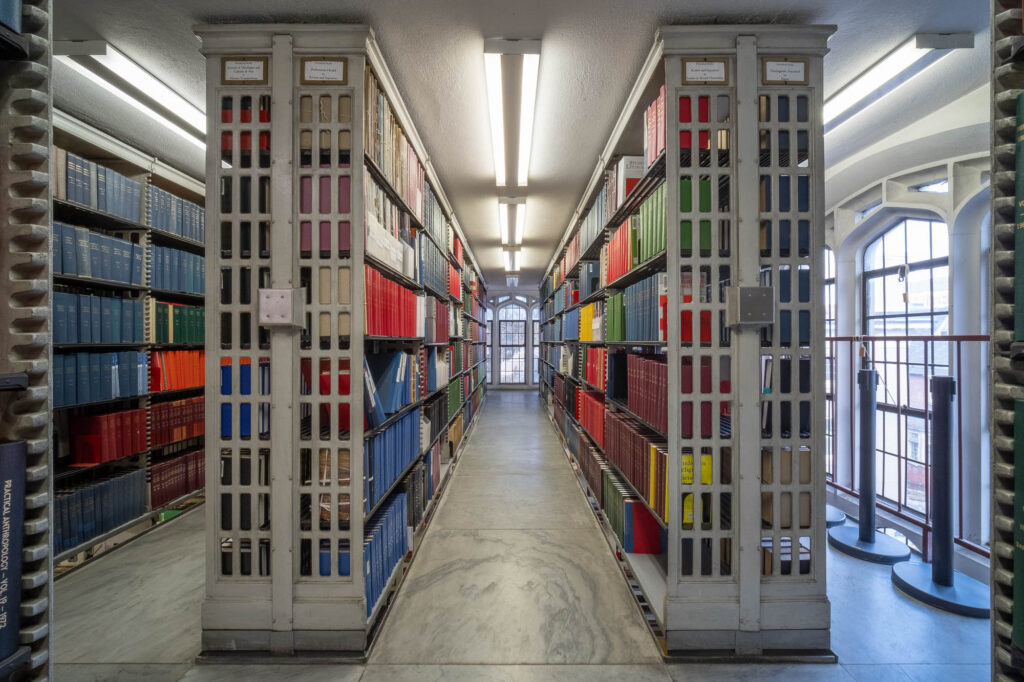
Forming a right angle with the main library wing is a tall book stack wing, equipped with cast-iron Snead bookshelves. Still standing strong more than a century after their construction, they hold the 80,000 volumes of the college’s collection, which focuses on Presbyterian and Reformed theology and history.
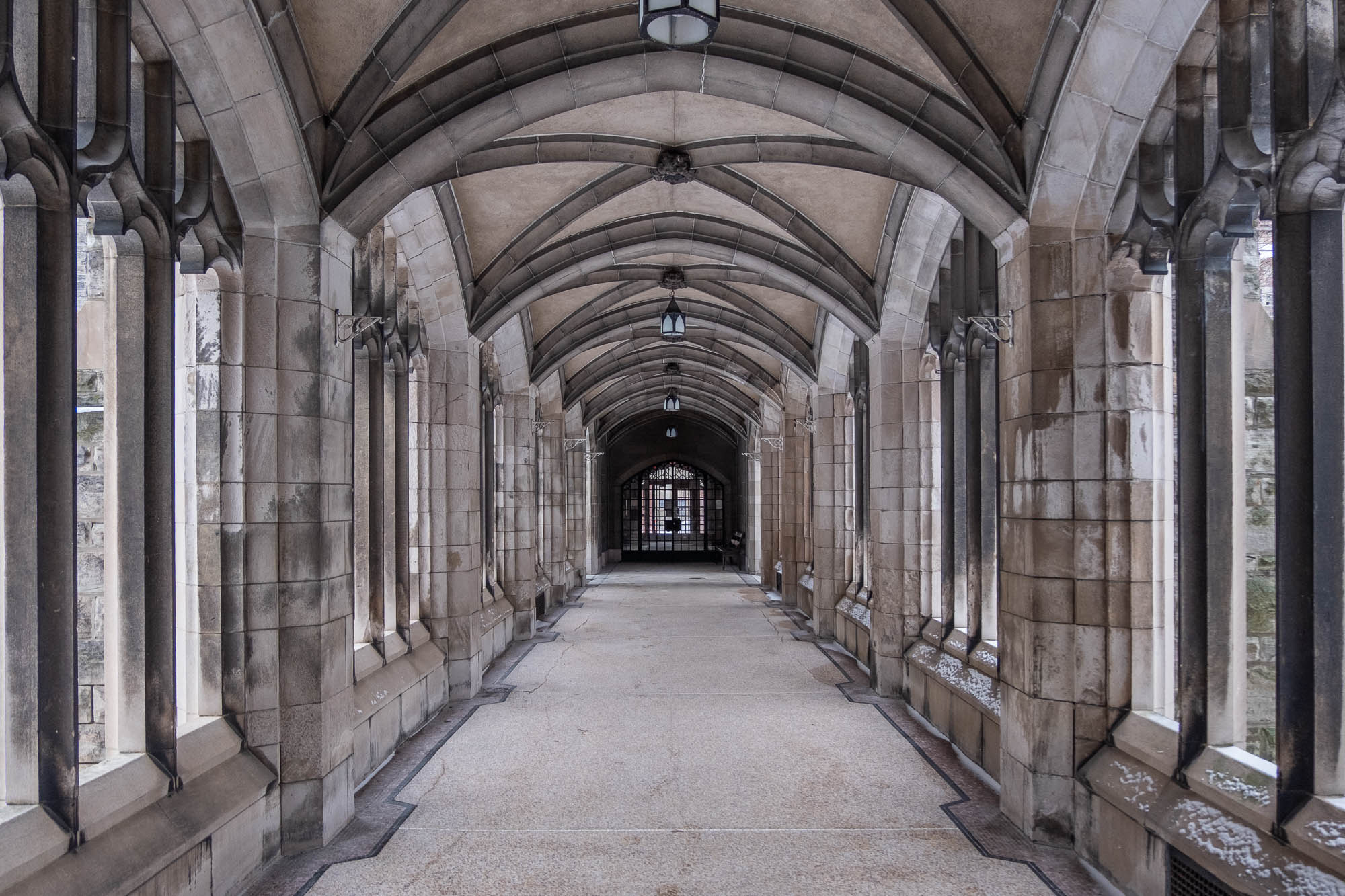
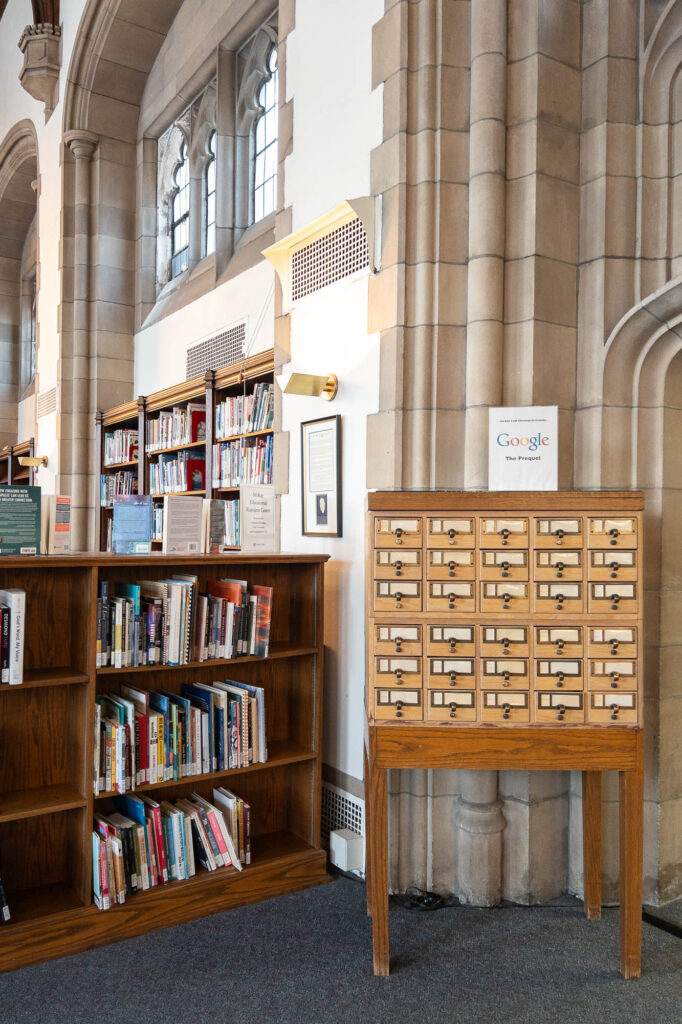
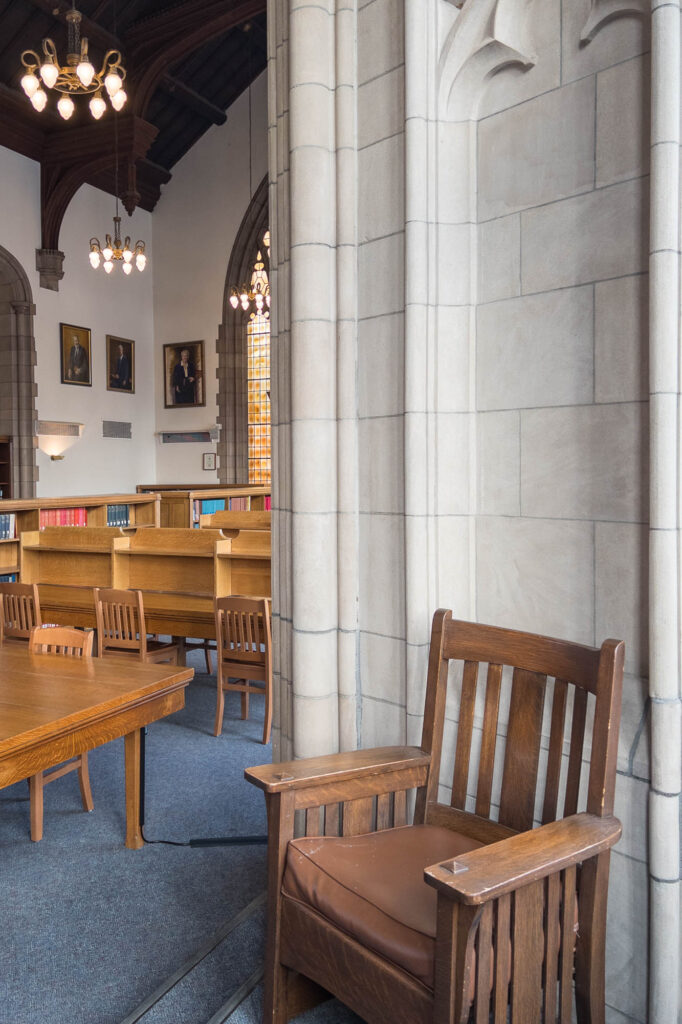
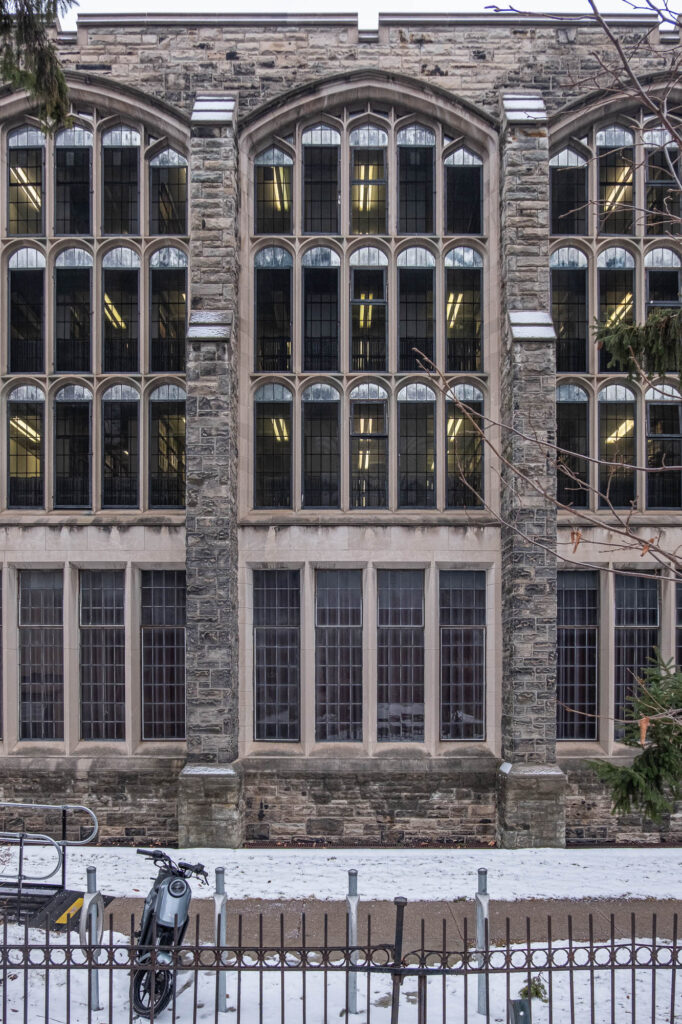
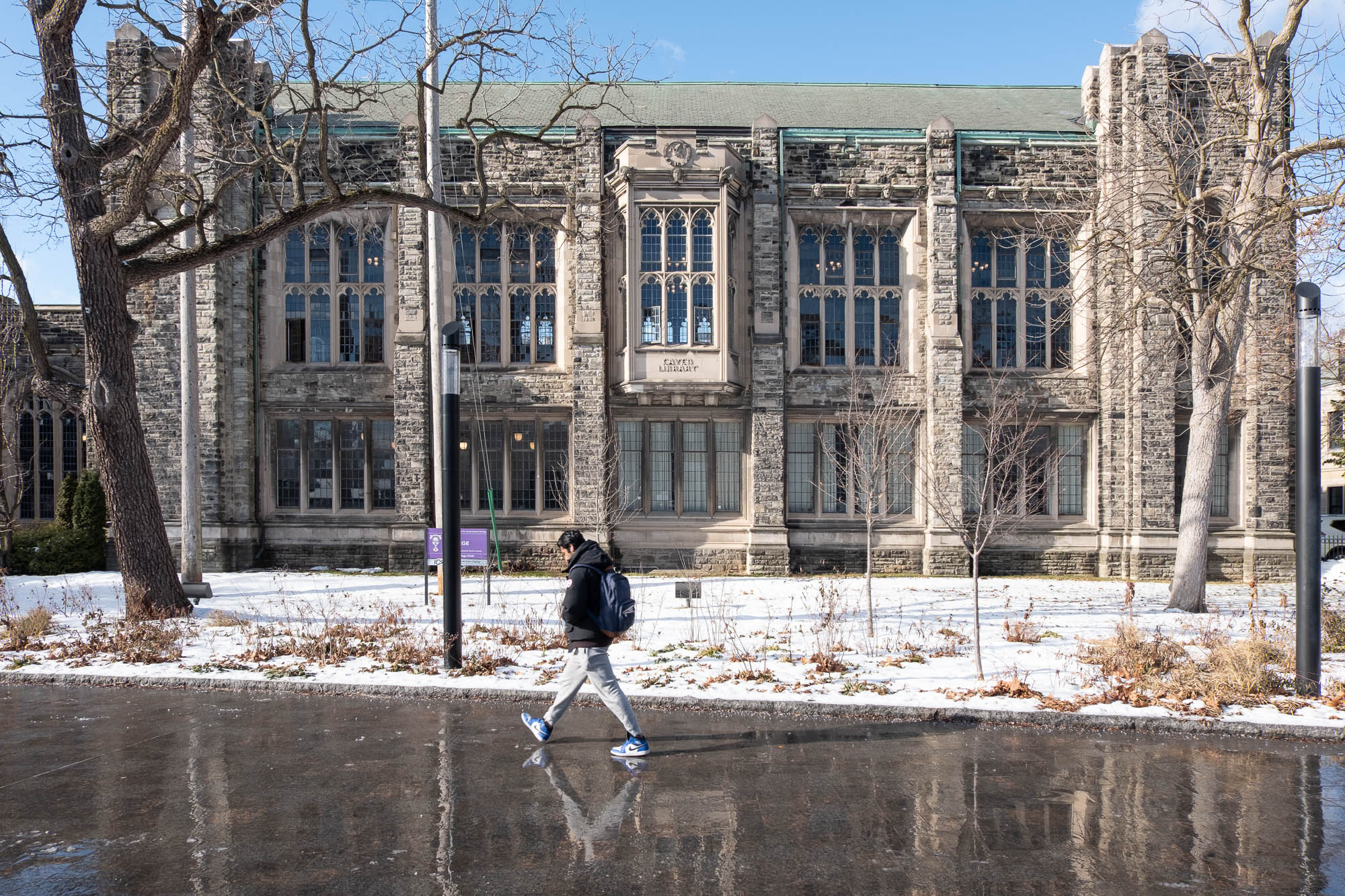
The Collegiate Gothic architecture of Knox College has made it a favourite stand-in for other real or fictional universities in a long list of movies.
The images shown here date from my visit in February 2025. Many thanks to the college library staff for their welcome, and to the UofT libraries communications team for coordinating!
References
Content note
You might also like