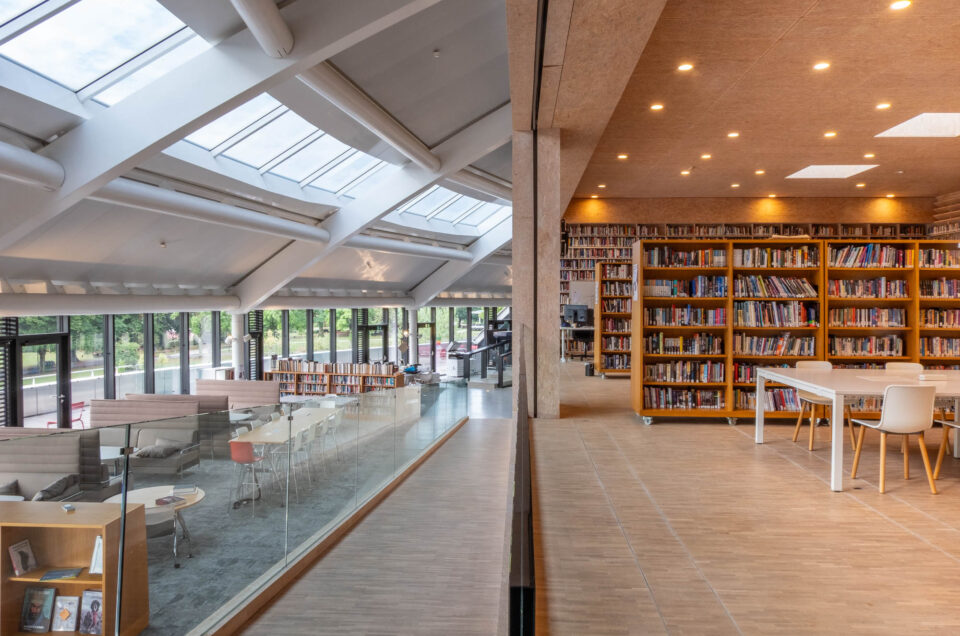
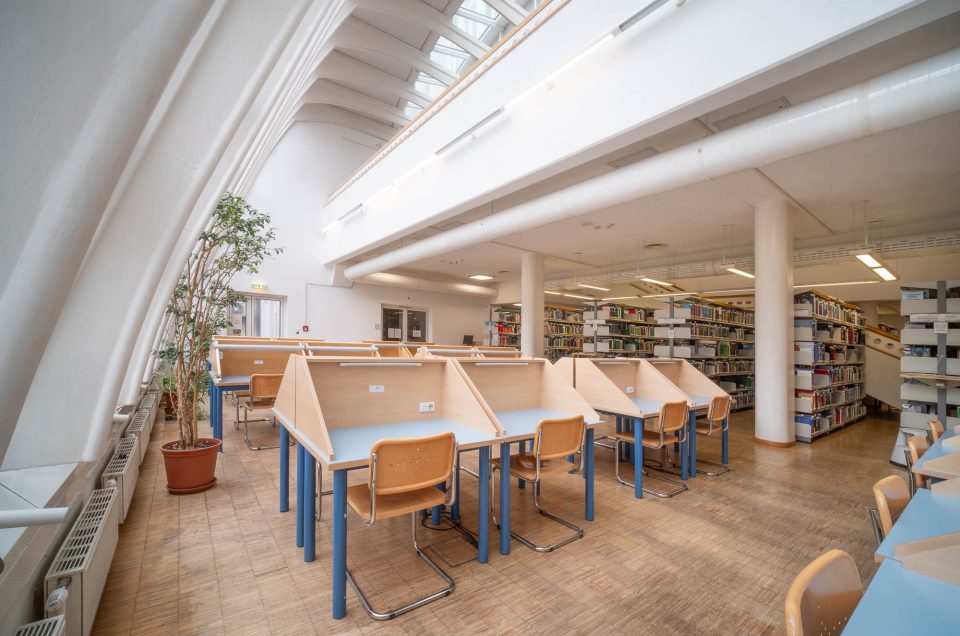
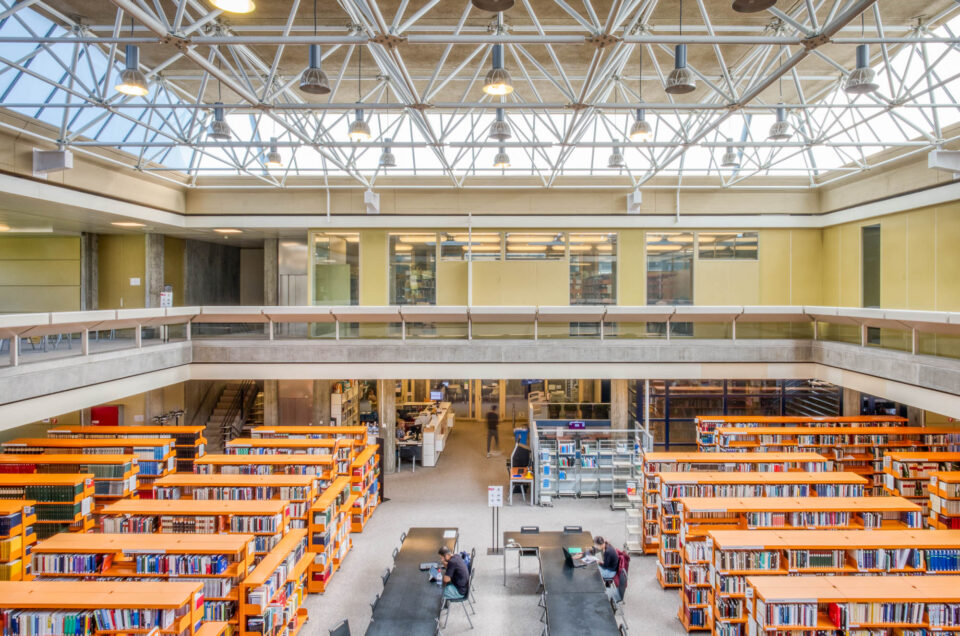
The library for the Academy of Architecture at the University of Italian Switzerland (USI) in Mendrisio was originally the Ospizio della Beata Vergine, a hospital for the poor run by a Capuchin community. Its construction and operation was made possible thanks to a generous bequest by Count Alfonso Maria Turconi, a statesman and philanthropist from Milano who had participated in establishing the constitution of the short-lived Helvetic Republic.
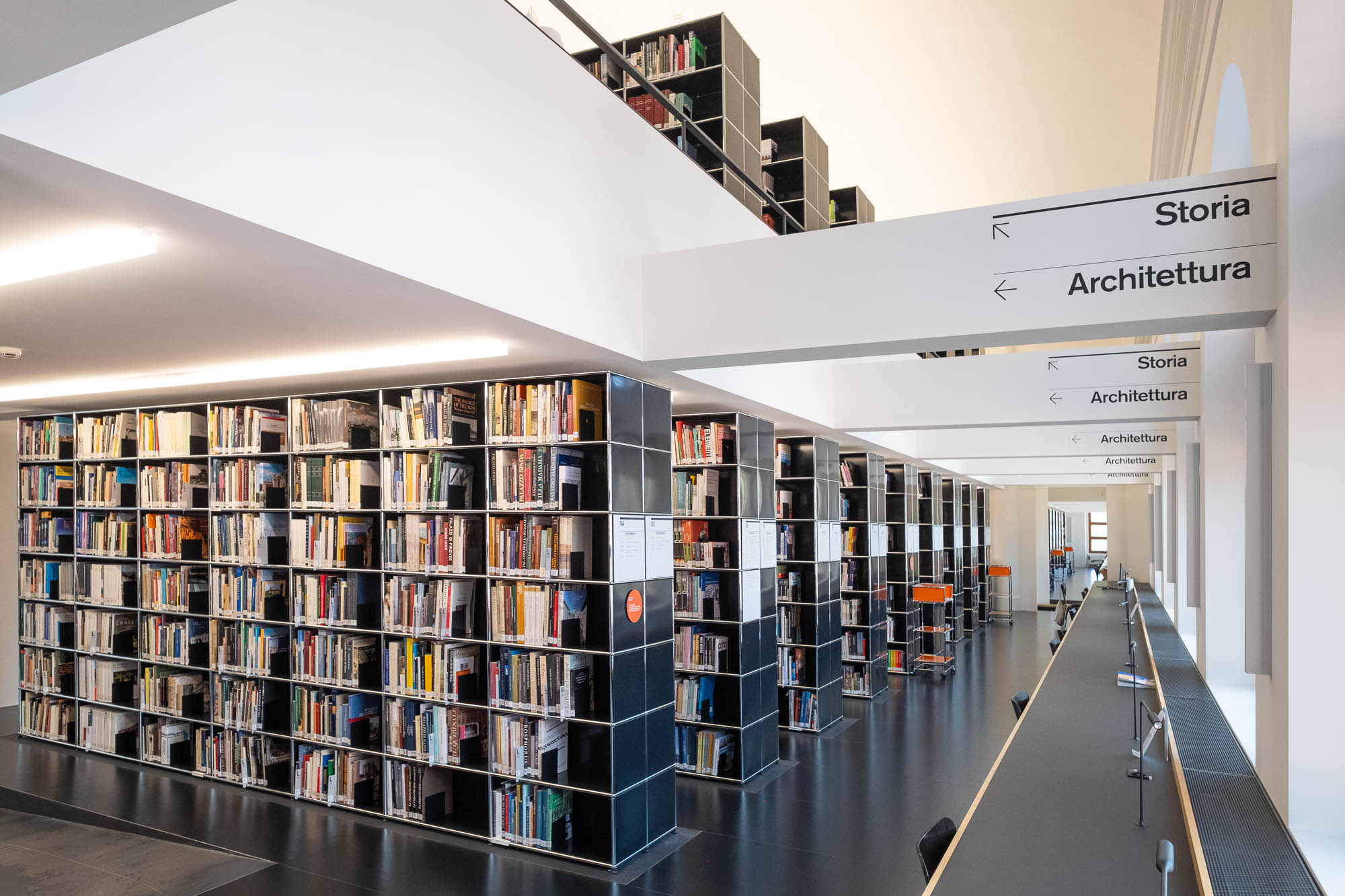
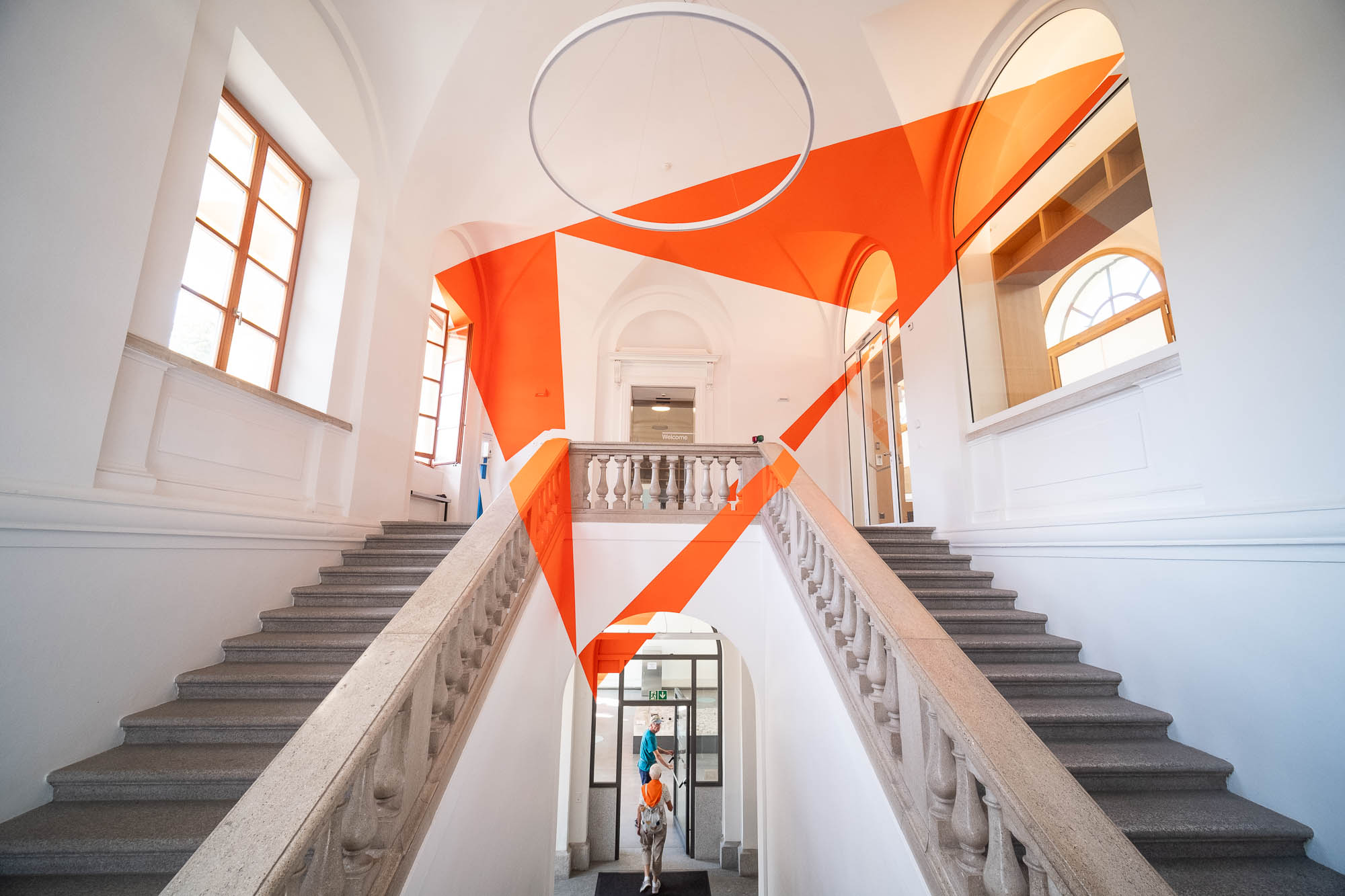
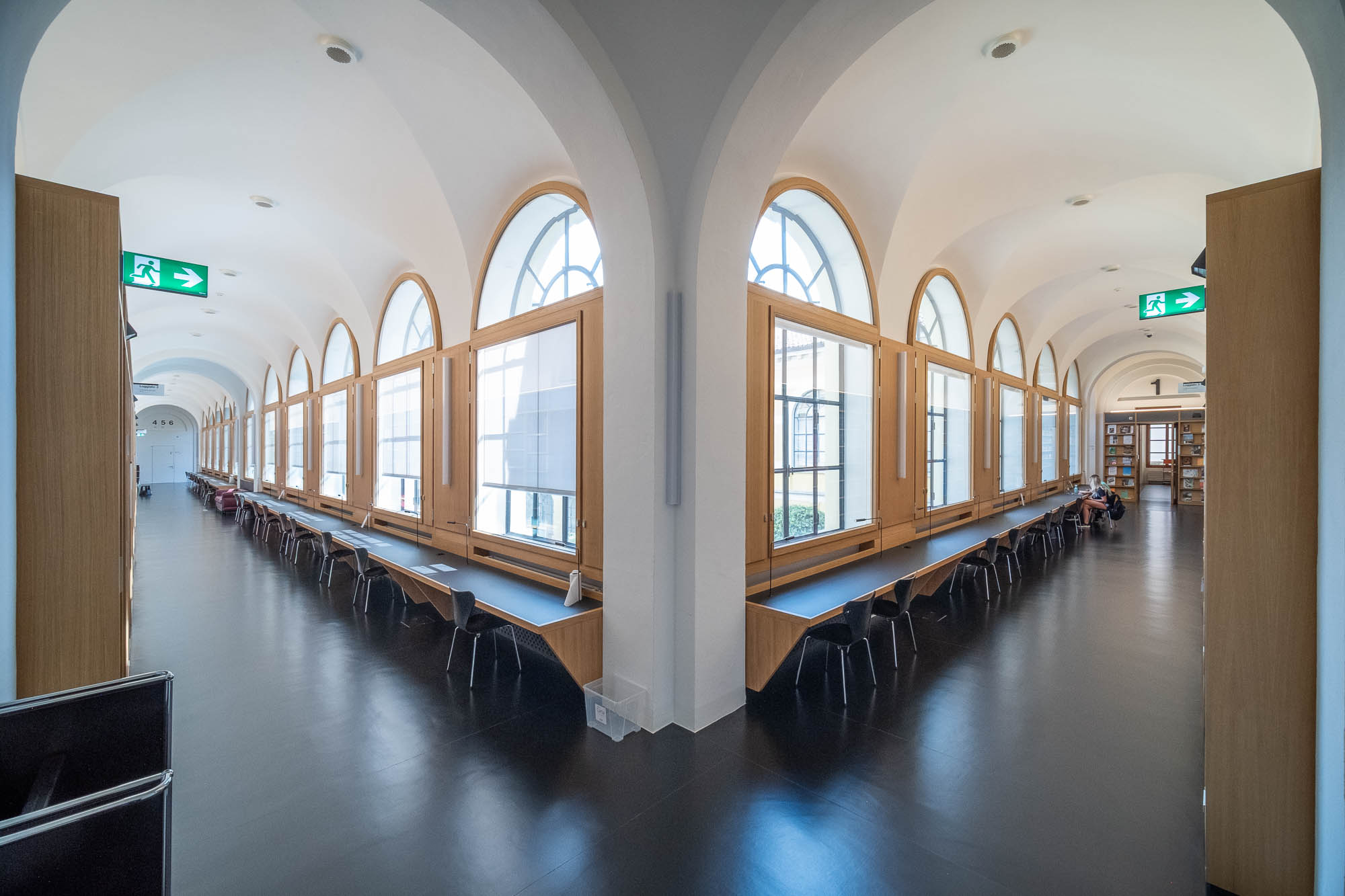
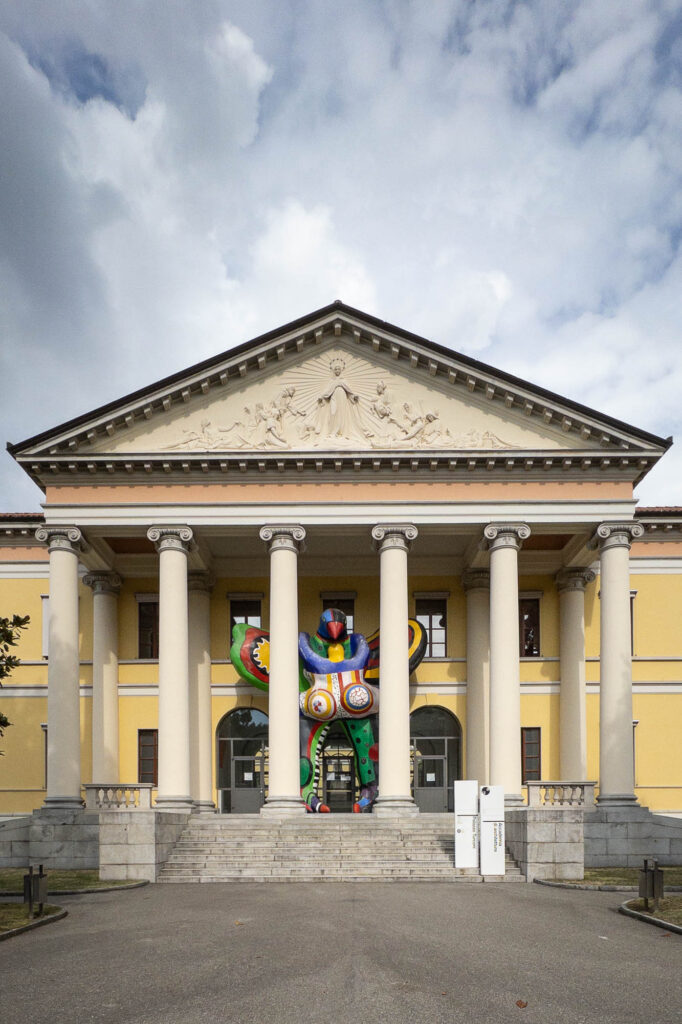
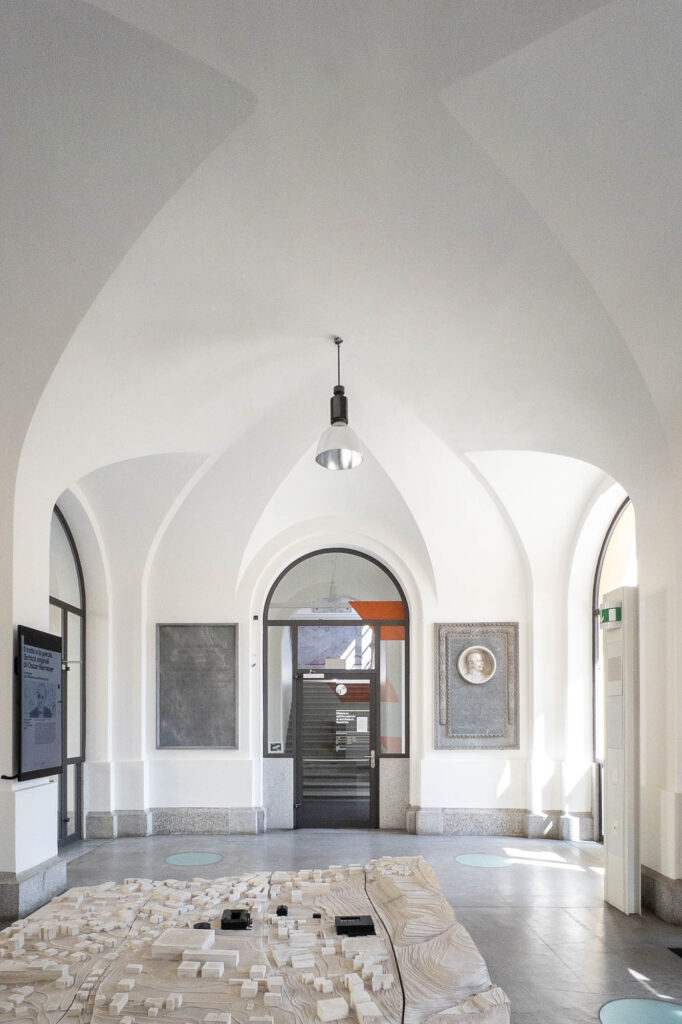
In his honour, the building is today known as Palazzo Turconi. It was designed by architect Luigi Fontana following the model of contemporary hospitals, such as the Ca’ Rezzonico in Lugano, which is now the main USI library. The generosity of the Turconi bequest however allowed for a scale and grandeur rarely seen in the alpine region. When it was completed in 1860, the Mendrisio hospice was the largest building in Ticino.
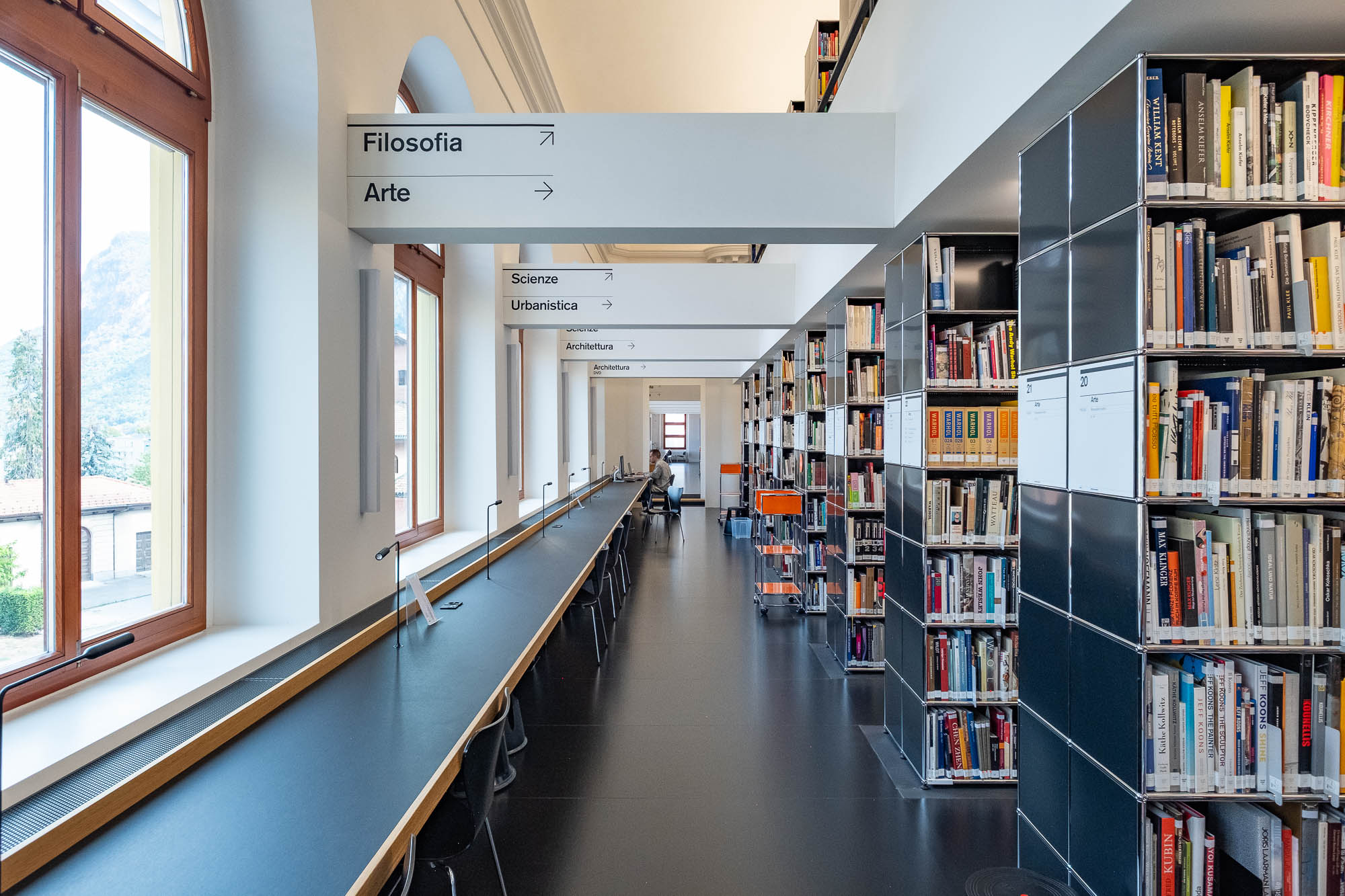
In the 20th century, it became the Cantonal Hospital of the Mendrisiotto, before being taken over by the new Academy of Architecture upon its foundation by Mario Botta in 1996. The former hospital was converted into ateliers and classrooms, while the administration of the new institution took possession of the nearby Villa Argentina. This is also where the Accademia’s first library was located, but by 2003 its 50,000-strong collection was stretching the limits of the Villa Argentina. It subsequently moved into a wooden provisorium designed Mario Botta and Aurelio Galfetti originally as a lecture theatre and converted by Peter Disch for the library, which remained there for 17 years.
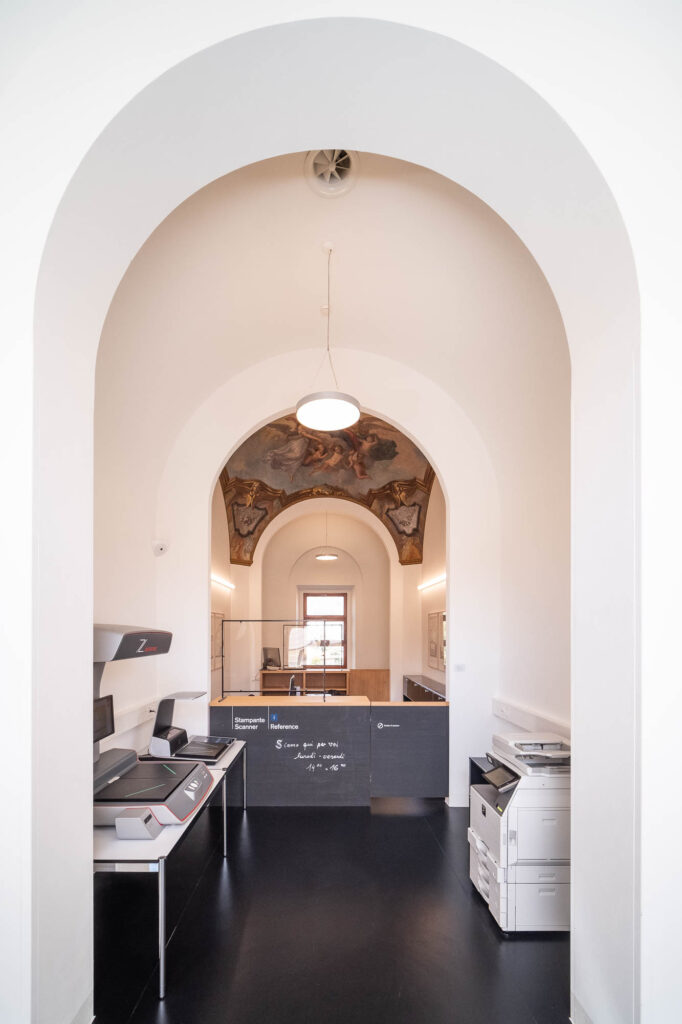

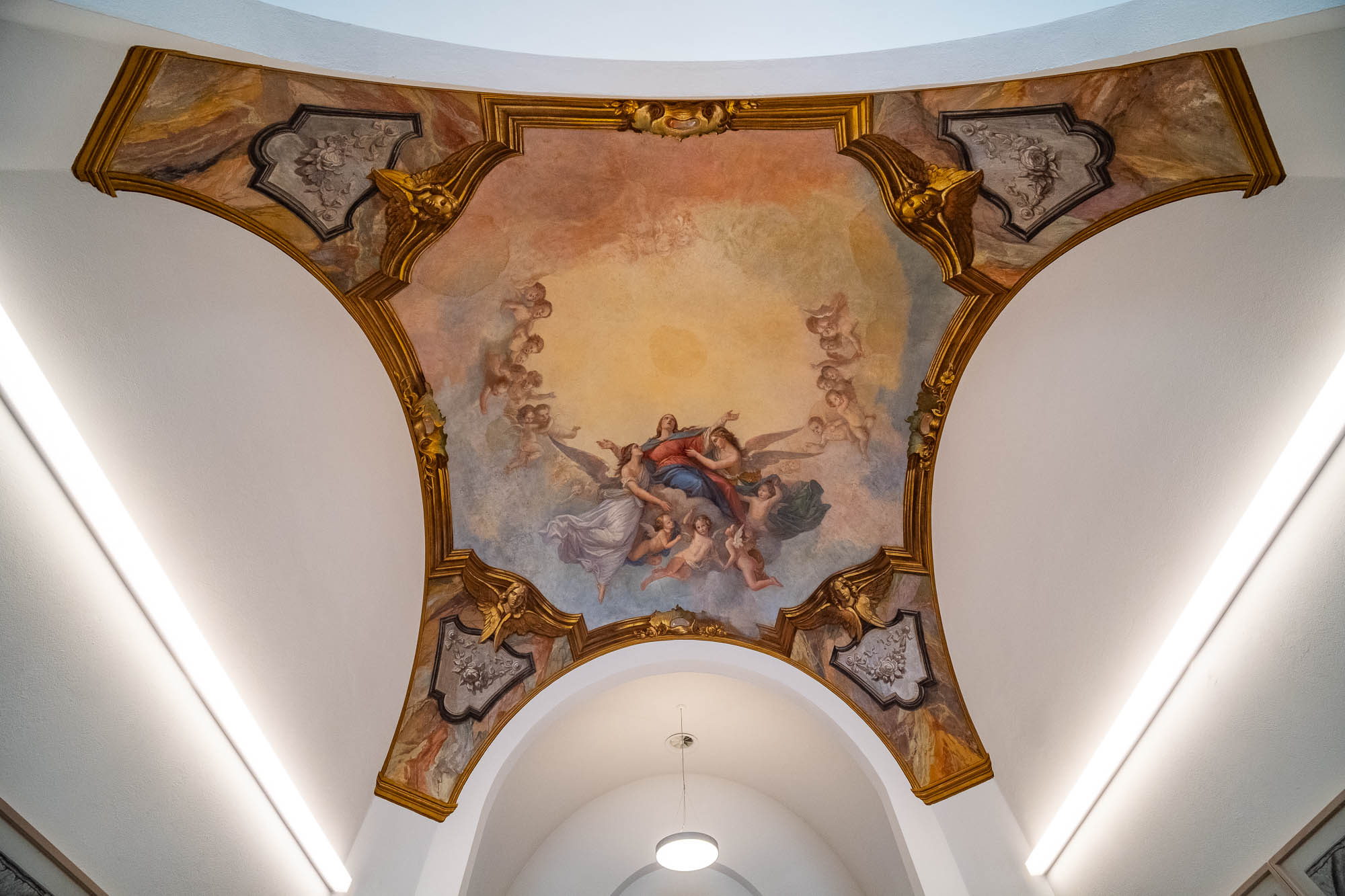
In 2021, the entire upper floor of Palazzo Turconi was given over to the library, after an extensive transformation by Marc Collomb of Atelier Cube and studio SML. Generous, light-filled and superbly furnished, the new library spaces have become instant favourites among students, as well as the numerous visiting researchers and architects wishing to consult one of the most extensive architecture collections in Switzerland, now in excess of 280,000 volumes.


This post is part of a series on adaptive reuse in libraries. See the list of such projects I am maintaining or view other posts in this series.

The images shown here date from my visit in September 2022, with many thanks to library director Angela Windholz for her welcome. Vielen Dank e grazie.
References
Content note
You might also like