The Geneva botanical garden was founded in 1817 by Swiss botanist Augustin Pyramus de Candolle and is now regarded as one of the five most important in the world. Beside an impressive living collection of over 11’000 taxa, it is also home to an herbarium of over six million preserved specimens, a seed bank of nearly 800 taxa and a research library of over 220,000 volumes. Since the early 1900s, it is located on 28 hectares of lakeside property adjacent to the United Nations park.
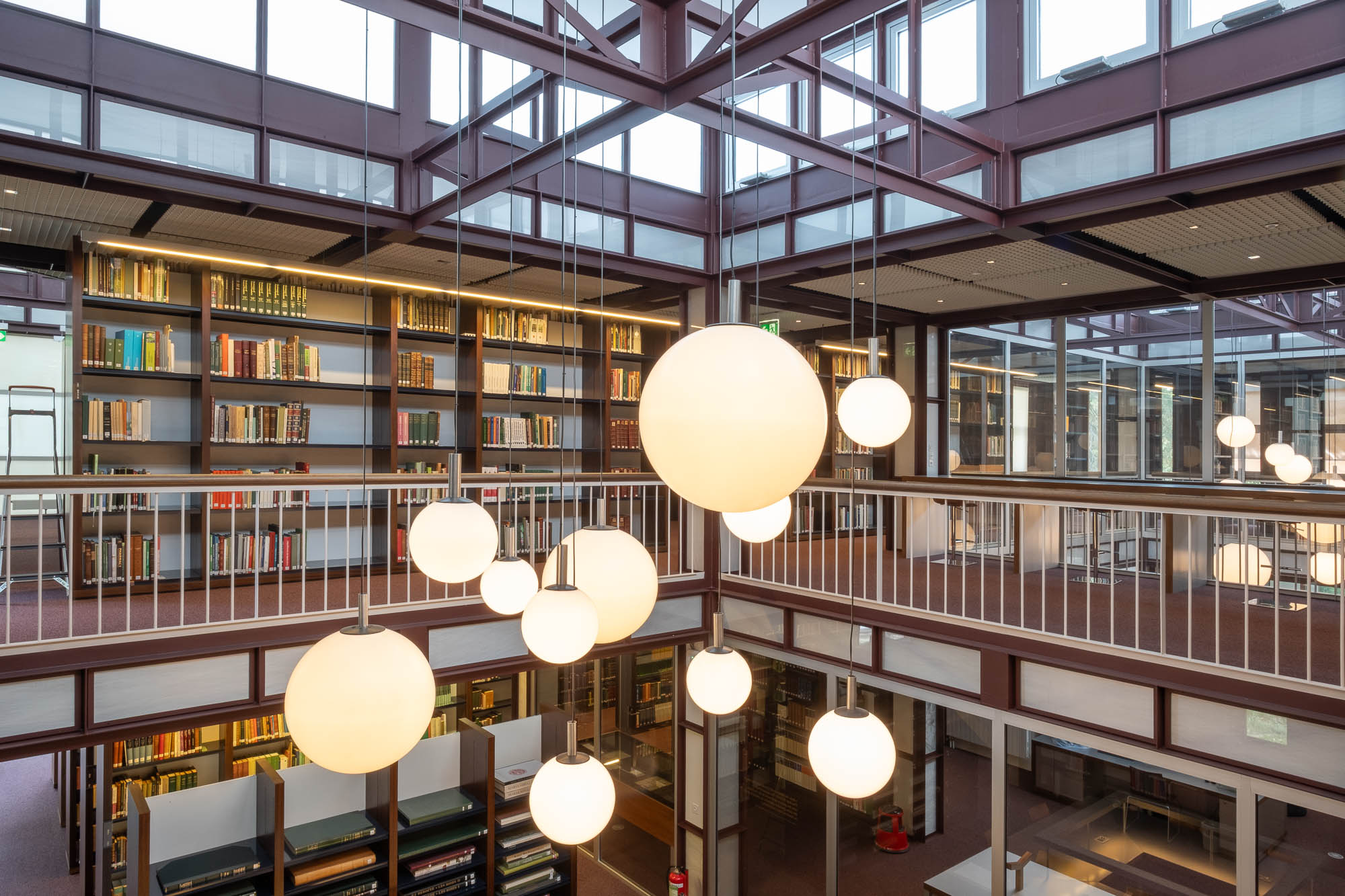
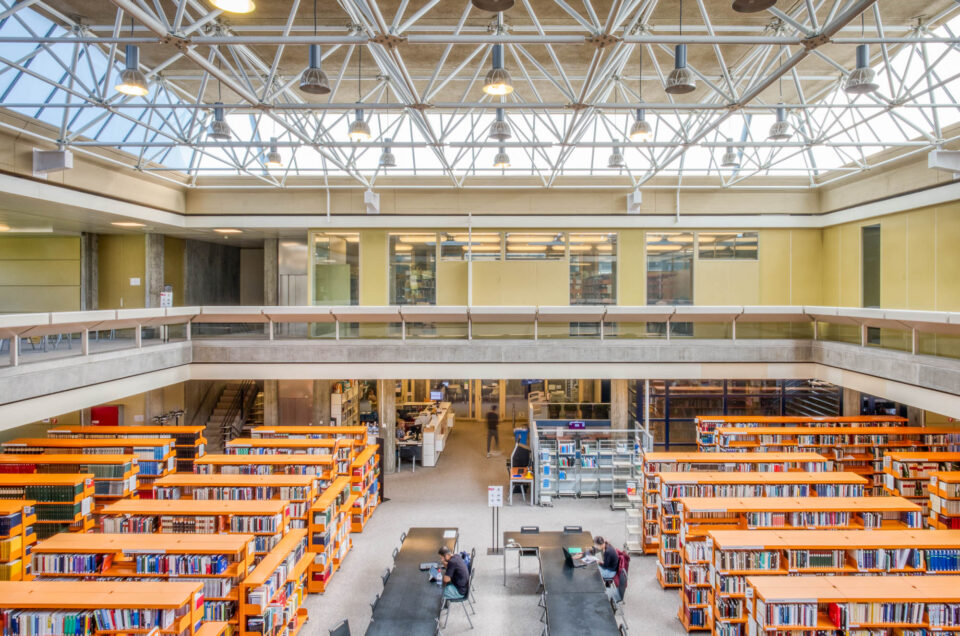
The conservatory, as the research and storage facilities are known, was built in phases between 1969 and 1974 by Jean-Marc Lamunière. One of Western Switzerland’s most important architects of the postwar modern period, Lamunière spent some time teaching in Philadelphia in 1967. There he met Louis Kahn, who exerted a powerful influence on the Swiss architect, in particular on the spatial organization of the botanical garden conservatory. The project is formed of steel framed elements arranged on a strict orthogonal raster that acts both as a structural and conceptual framework.
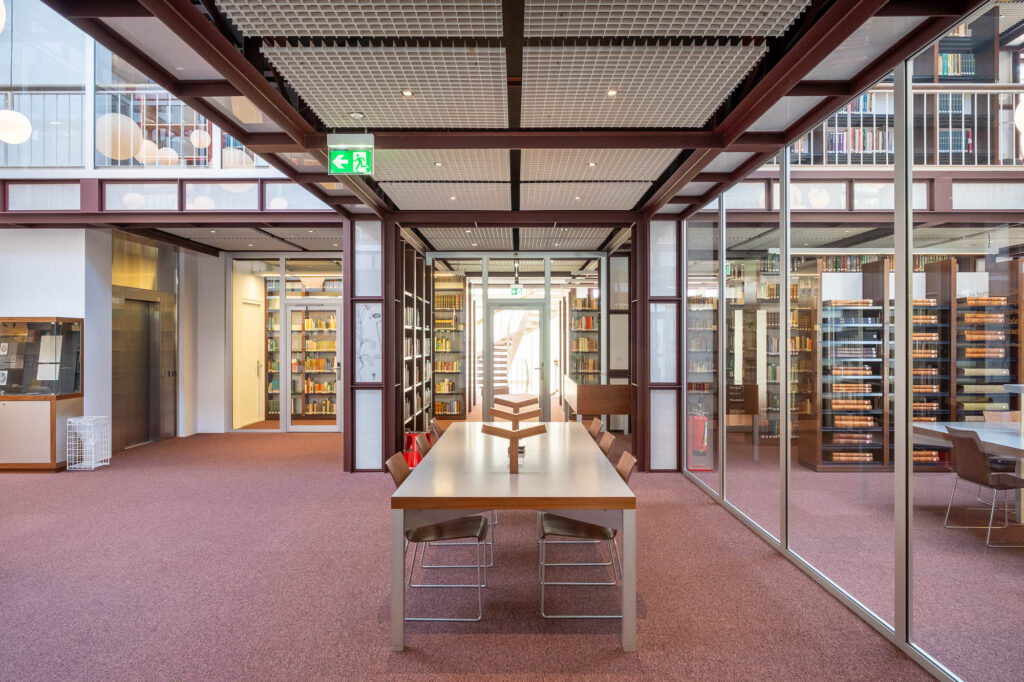
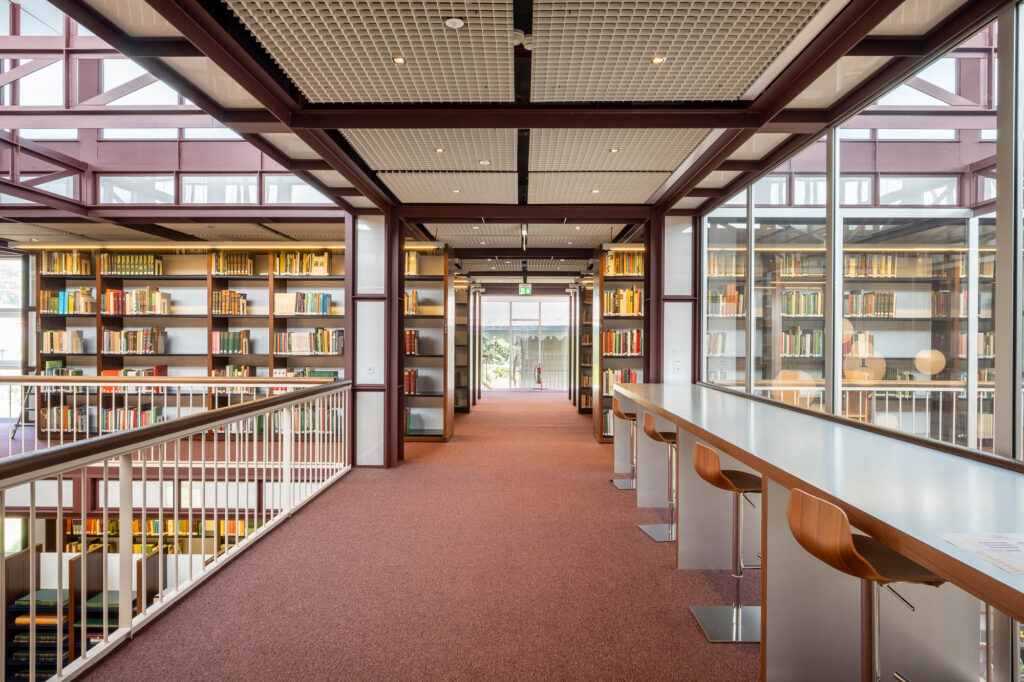
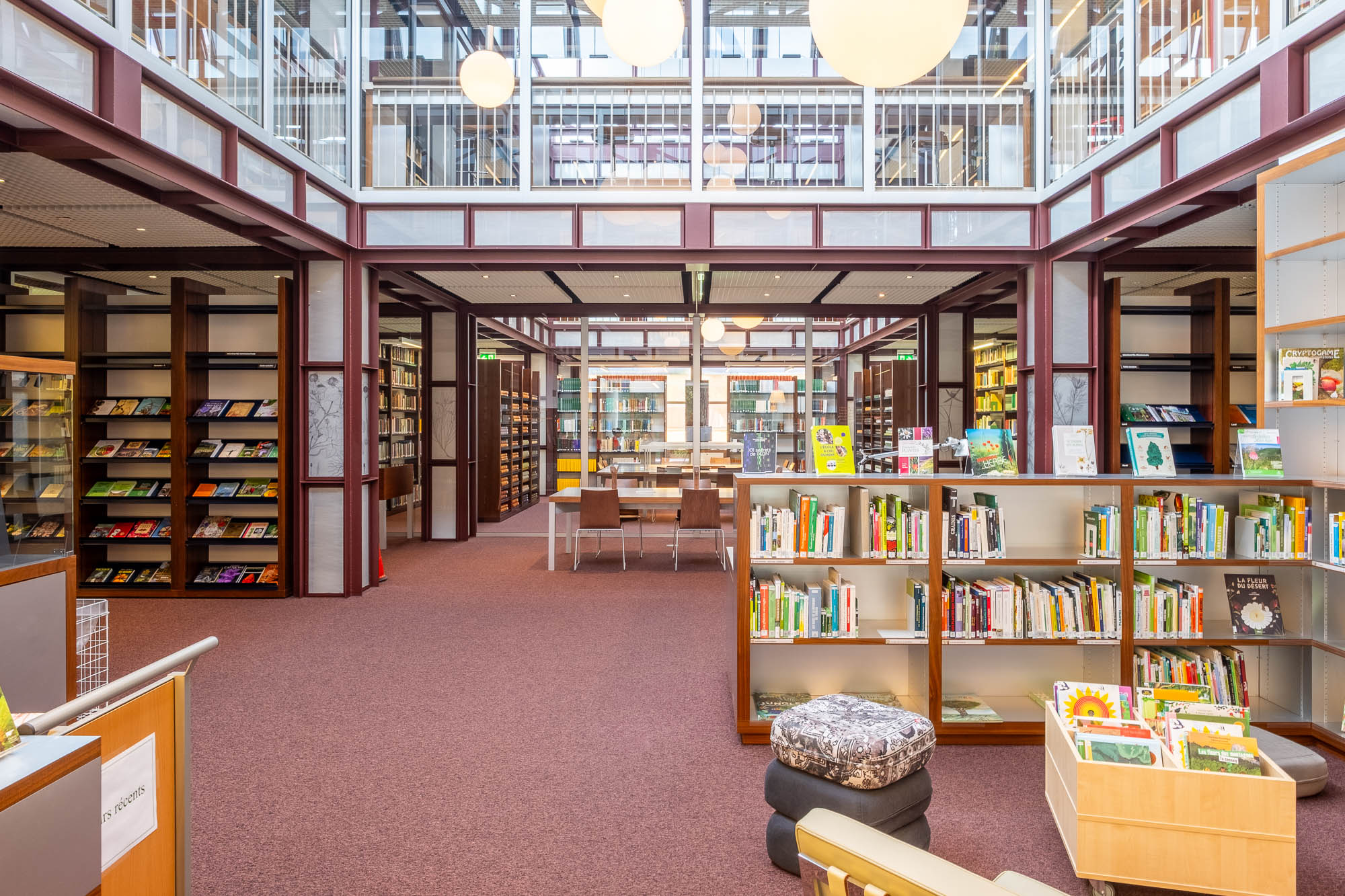
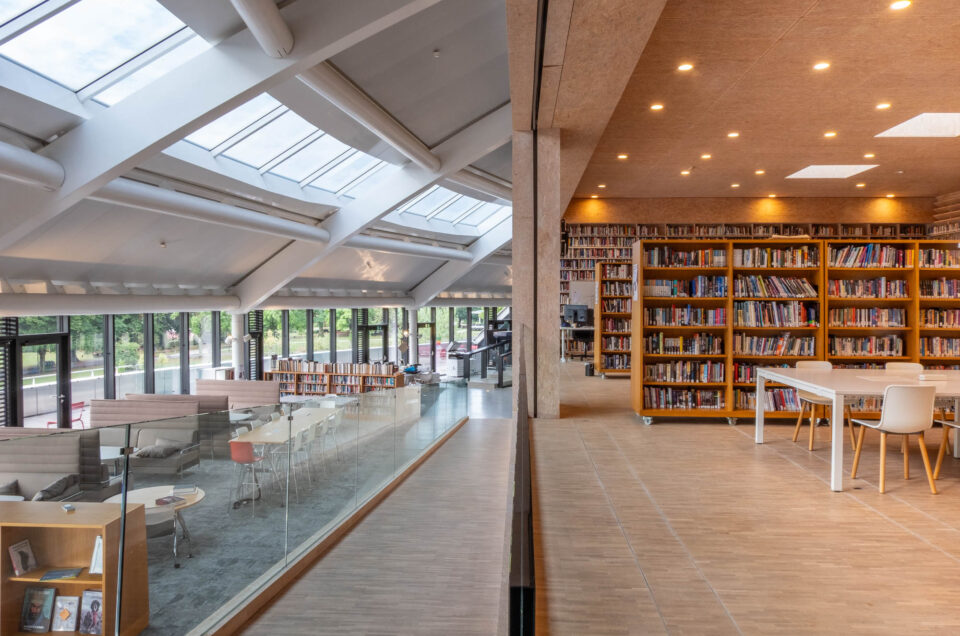
Floor plates and vertical supports are all doubled and enclosed with narrow panes of opaque Thermolux glass, hiding all technical conduits. Panels of the same milky material form the exterior walls, alternating with sash windows. Public areas like the library are enclosed by larger windows on the lower floor, where the lush greenery of the surrounding garden is invited in. The result is a remarkably coherent ensemble.
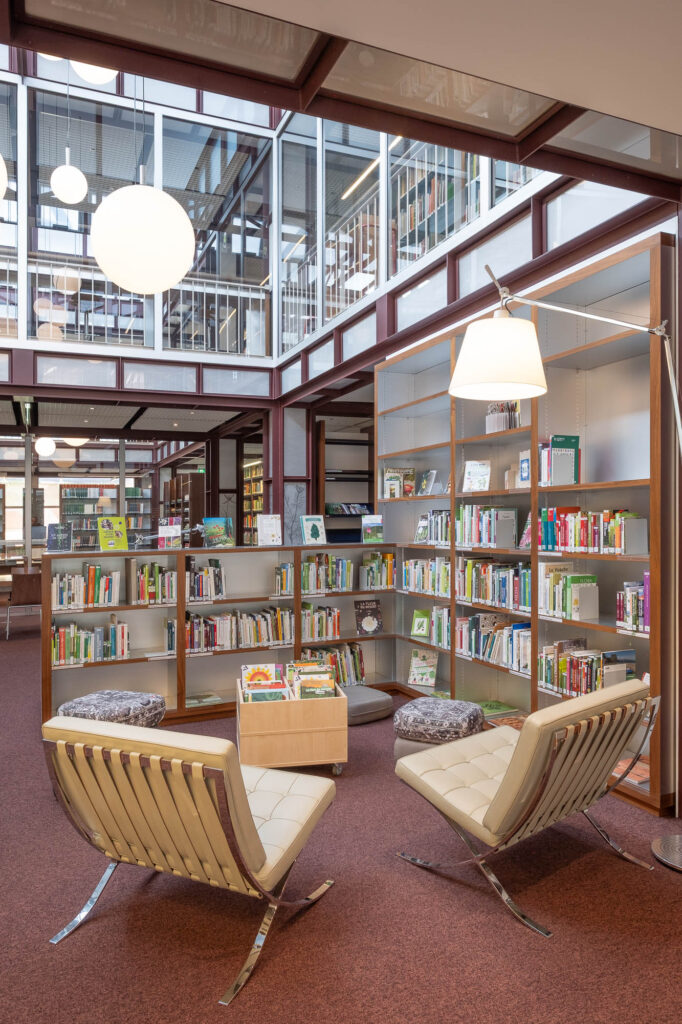
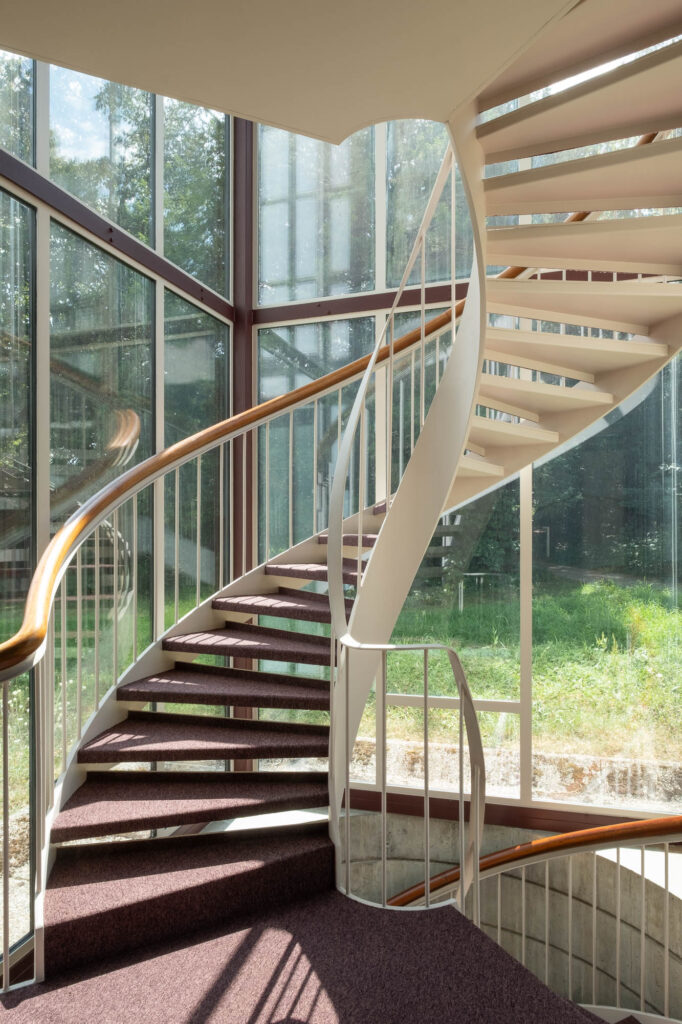
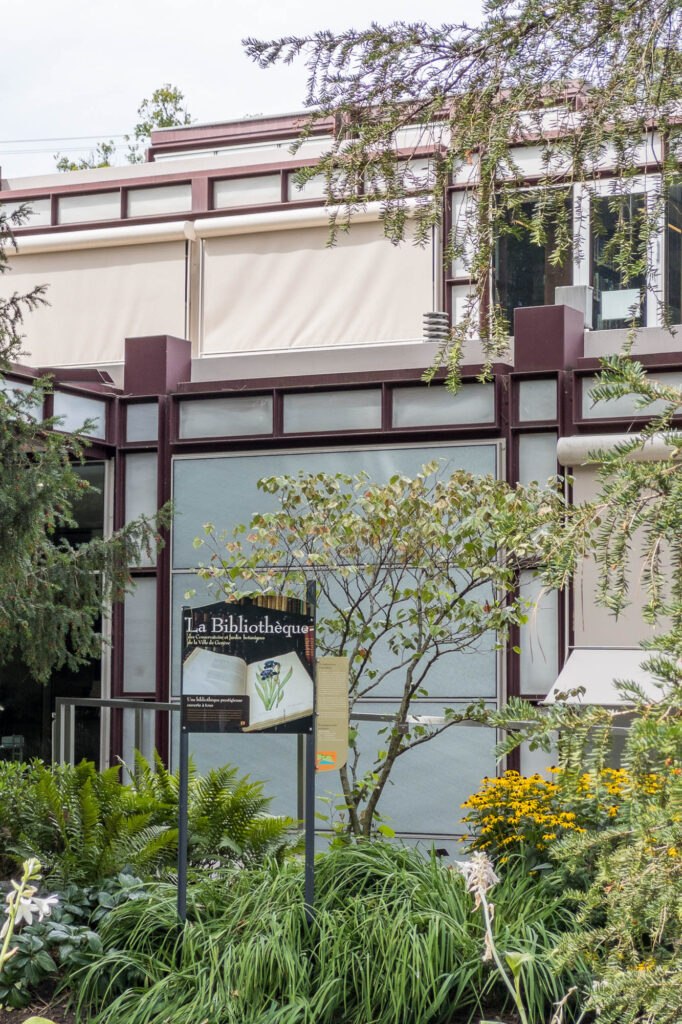
While visually pleasing, the steel structure and the lattice of hollow plates and columns it encloses is unfortunately an excellent thermal conduit, which originally made the building energy inefficient. This was corrected during the very respectful restoration completed in 2016 by Christian Dupraz Architectes. The original Thermolux glass was replaced by well-insulated double glass panels, between which an opaque film was inserted to reproduce the milky translucent finish of the originals. The hollow columns and floor plates were for their part ideal for hiding up updates to the buildings’ wiring and HVAC.
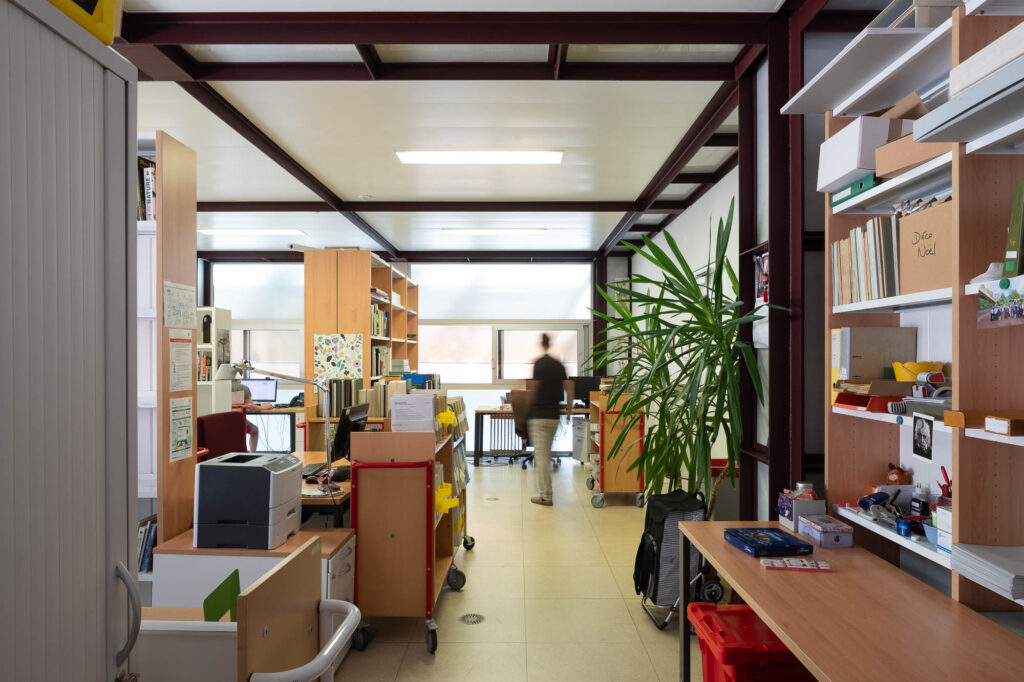
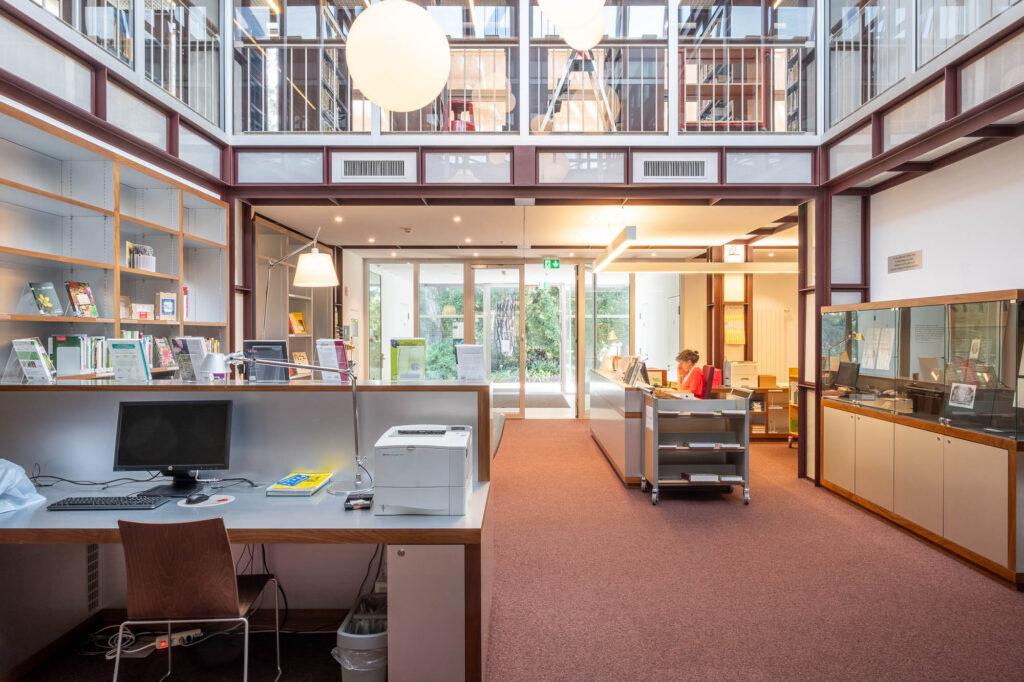
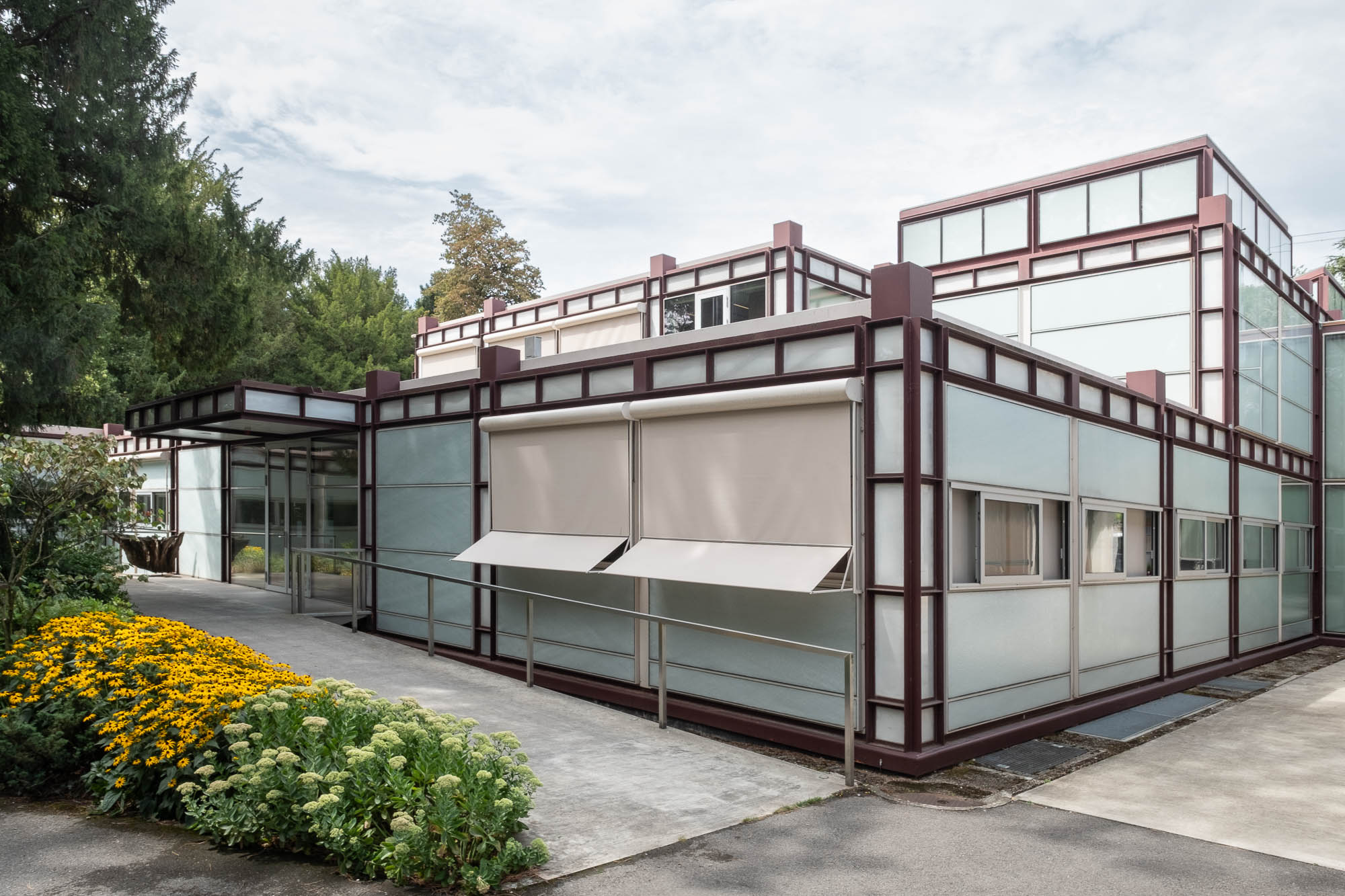
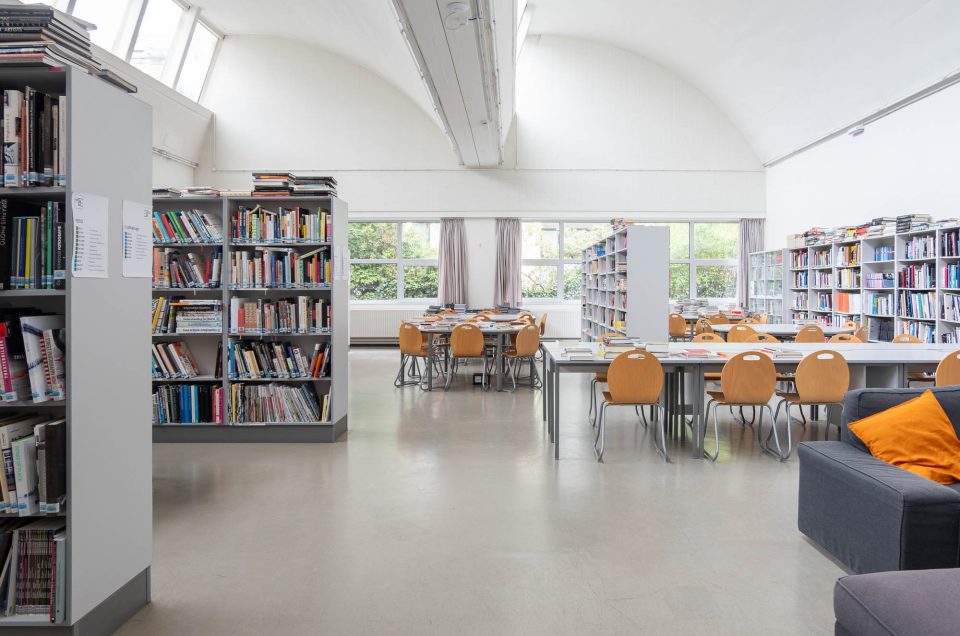
The images shown here date from my visit in August 2023. Many thanks to the library staff for the welcome and the behind the scenes tour!
References
Content note
You might also like