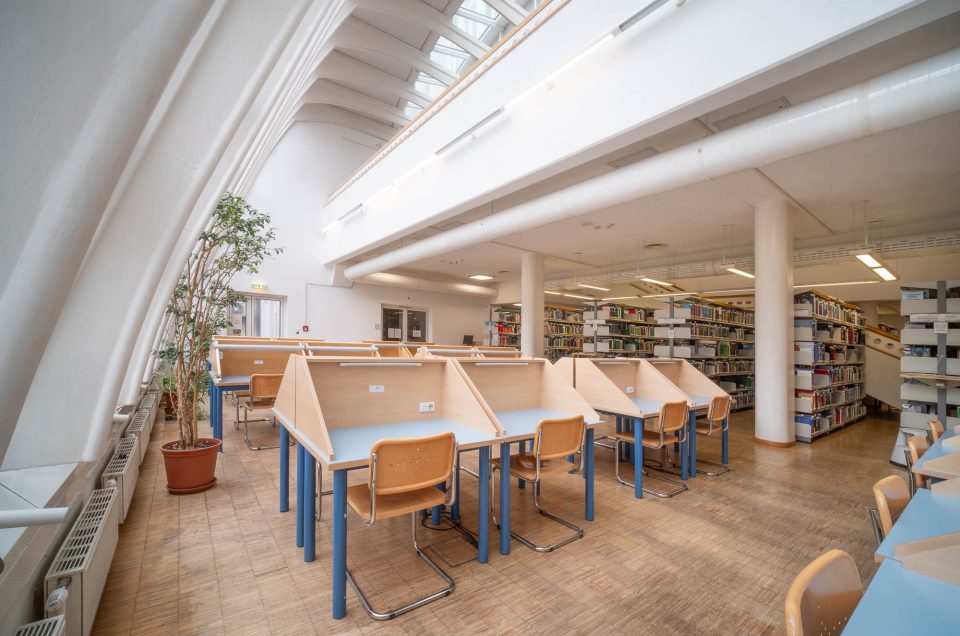
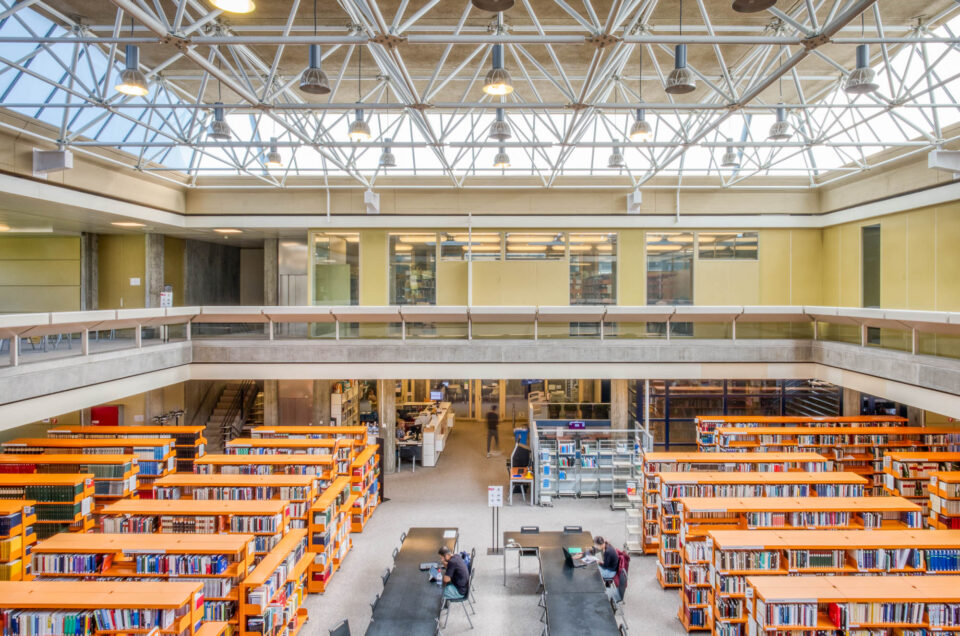
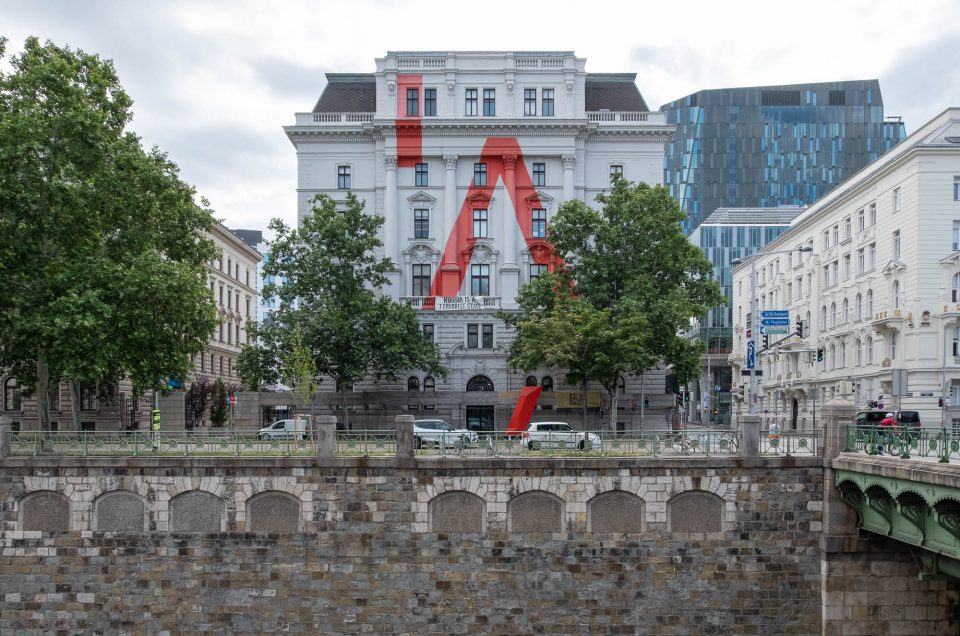
Established from an Iron Age settlement on the Gulf of Bothnia, Turku is considered the oldest city in Finland. As the old capital of the Kingdom of Sweden’s former eastern possessions, it has retained a significant Swedish speaking minority. Serving this minority is Åbo Akademi (Åbo is Turku’s Swedish name), one of the only two Swedish-language universities in Finland.
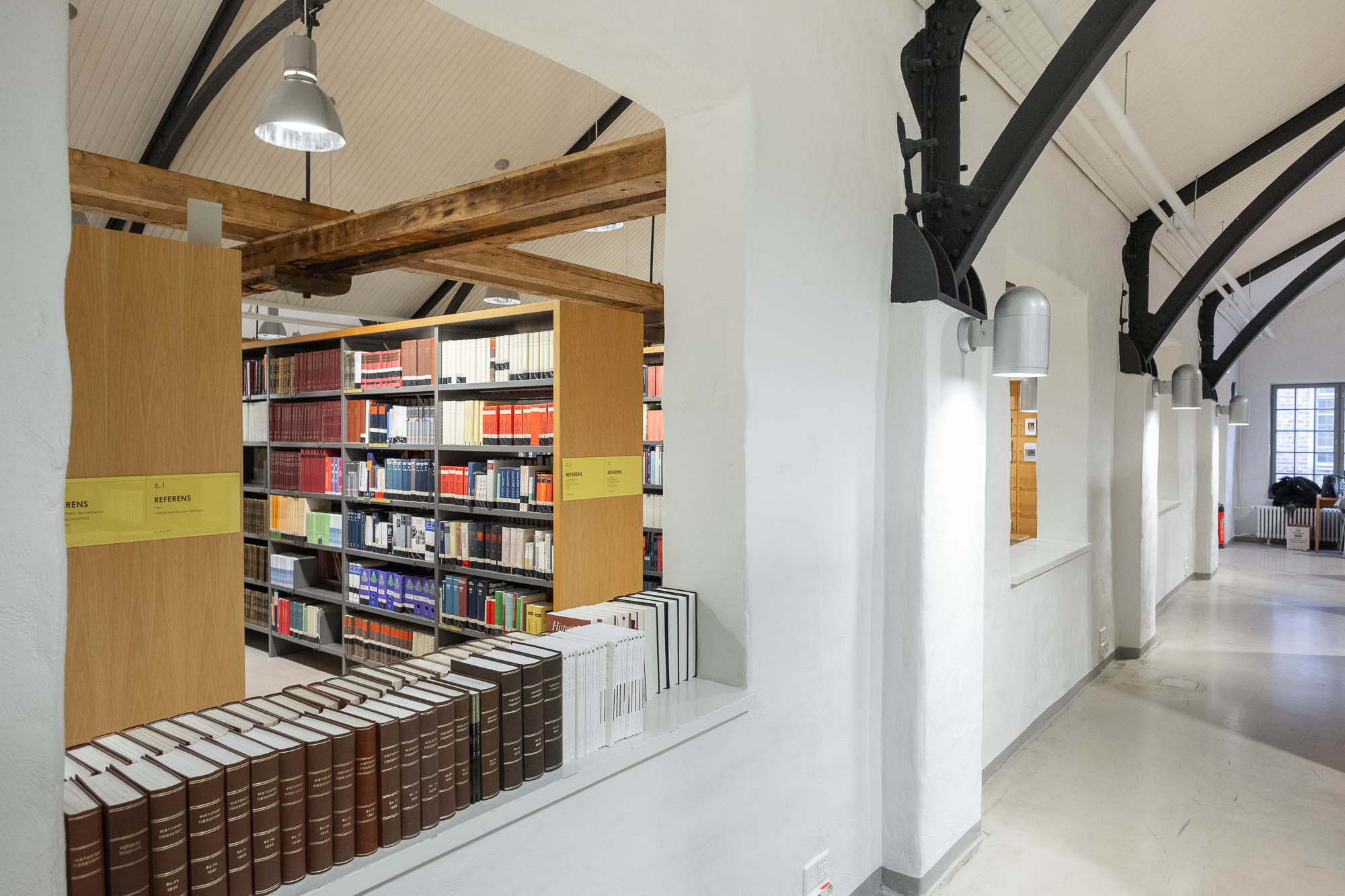
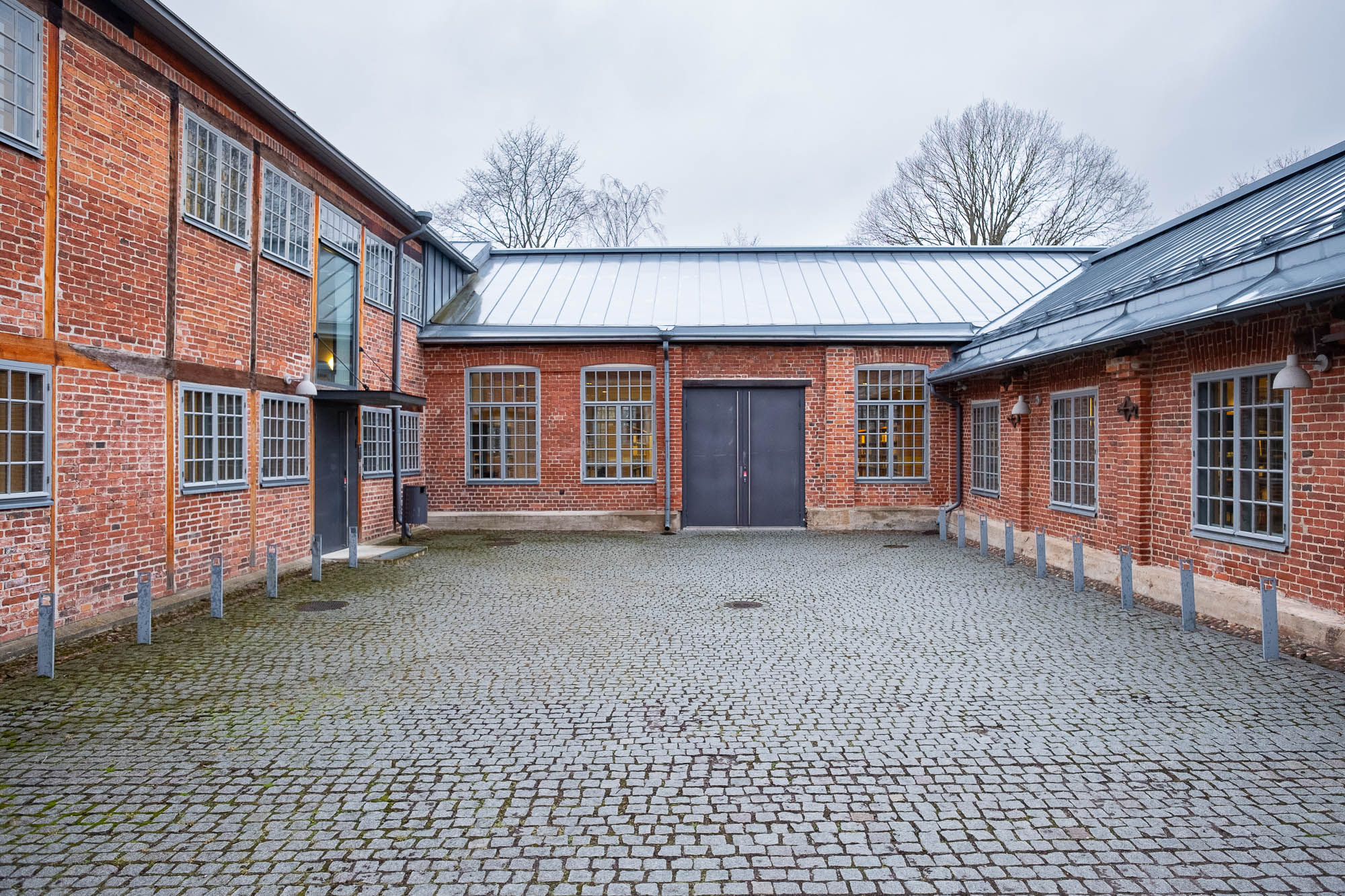
In 1997, the university set out to find a new location for the facilities of its Arts faculty, until then spread across the city. The site chosen for this new campus was a former iron mill and railway car factory by the Aura river. The Åbo Jernmanufaktur Bolag, later part of the Fiskars company, was founded in 1856 and the site was gradually expanded until the 1930s. The oldest buildings on the site are attributed to Swedish architect and engineer Georg Theodor Chiewitz who would go on to become Turku’s city architect in 1860.

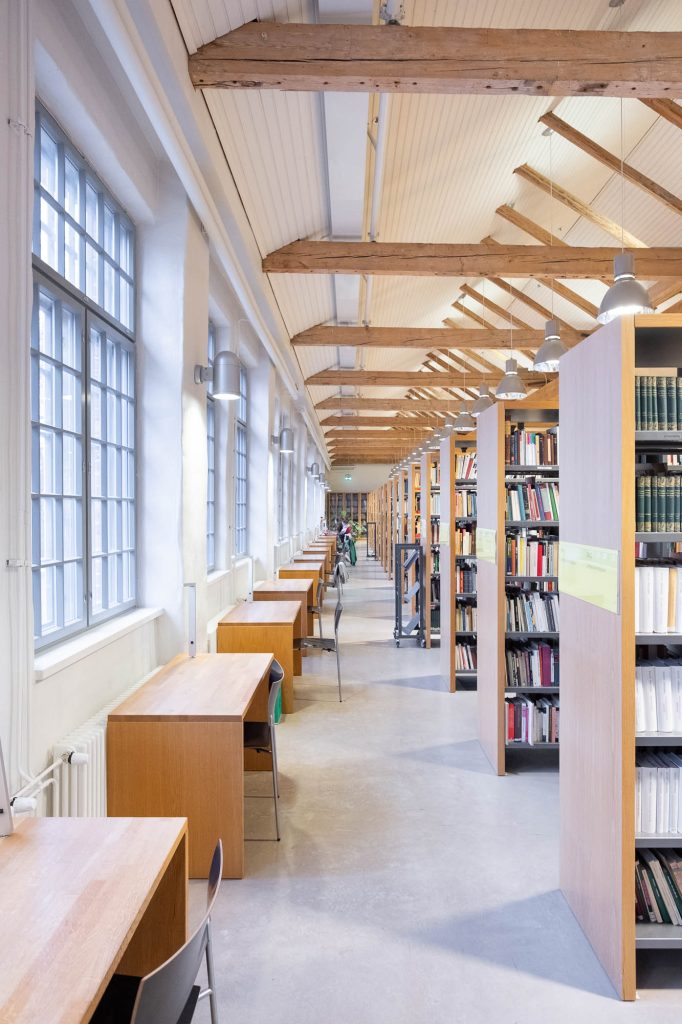
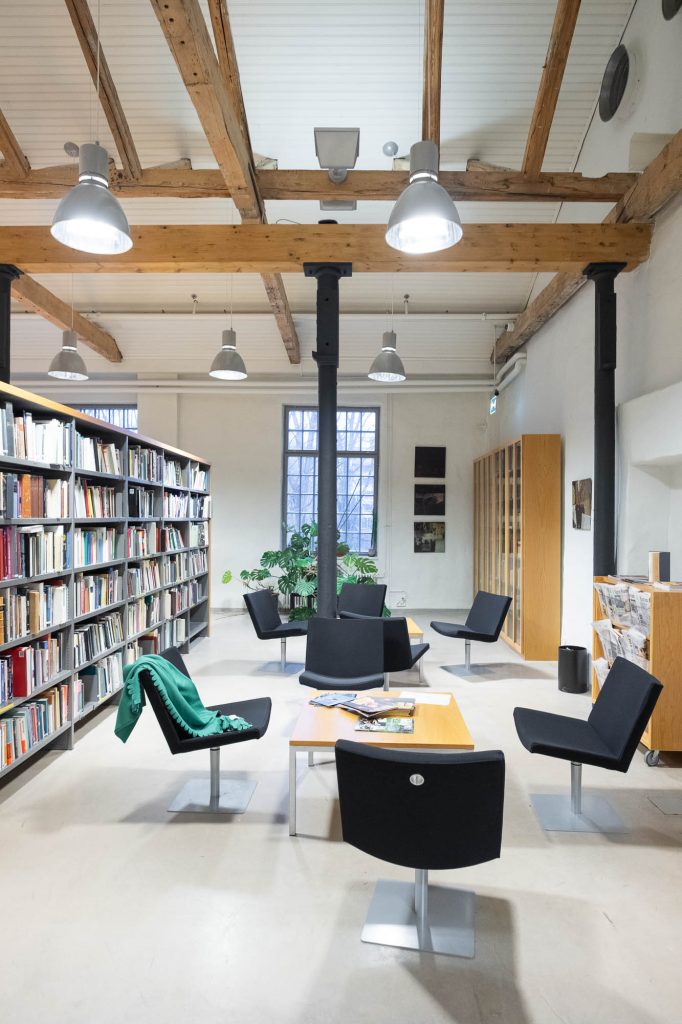
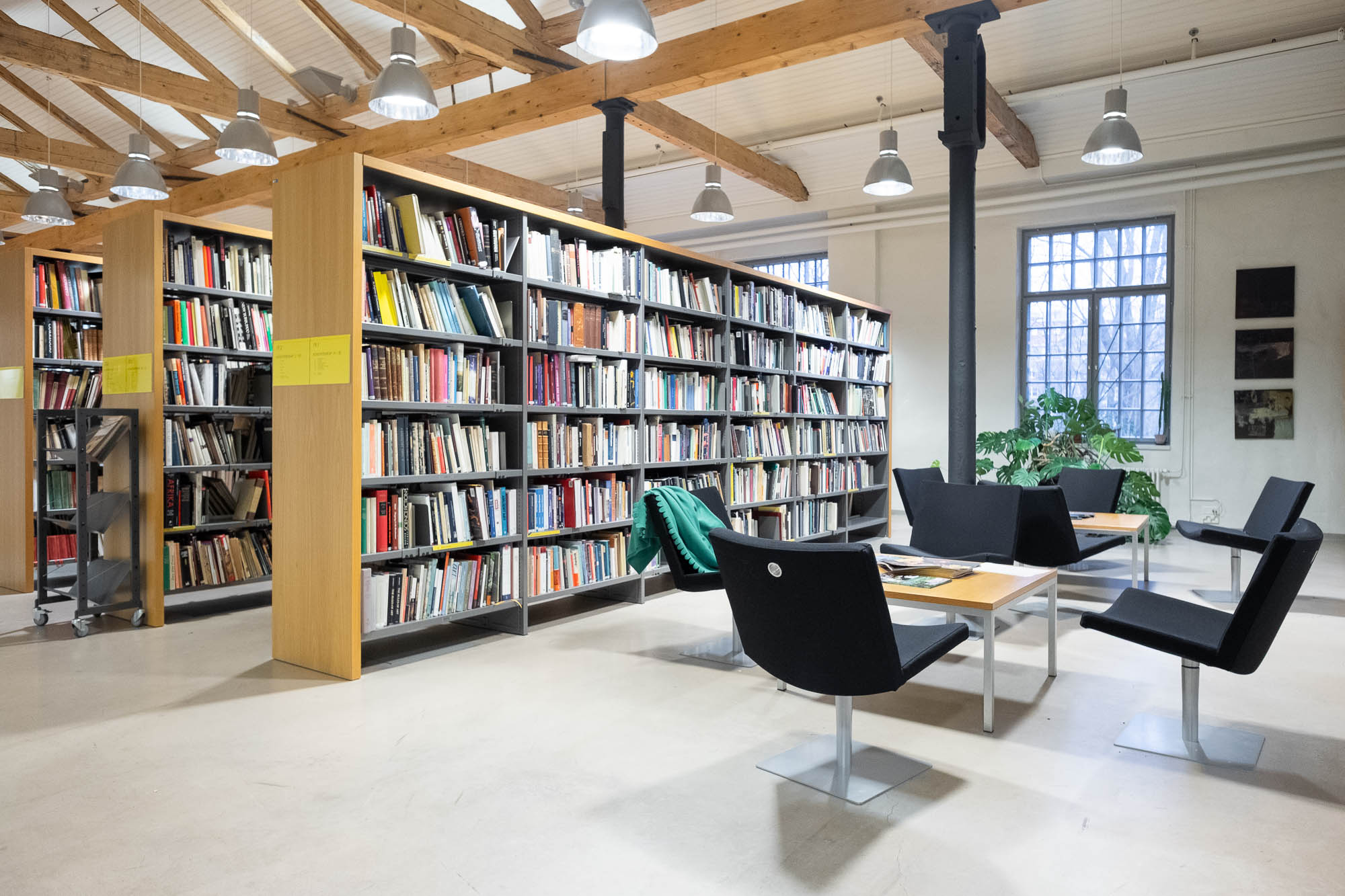
The transformation was led by Pekka Mäki of VIIVA Arkkitehtuuri Oy (now Sarc+Sigge) and completed in 2003. The library is set in a series of low sheds on the riverfront that are among the oldest structure on the site.
This post is part of a series on adaptive reuse in libraries. See the list of such projects I am maintaining or view other posts in this series.
The images shown here date from my visit in March 2019.
References
Content note
You might also like